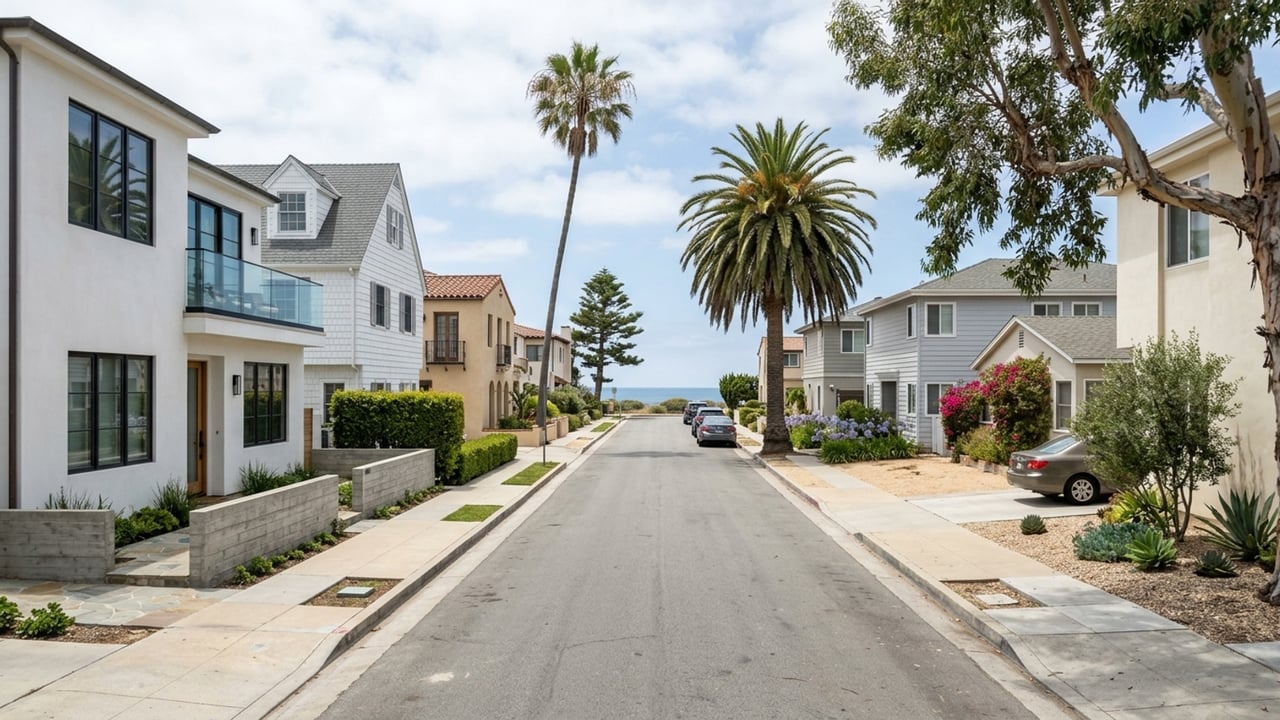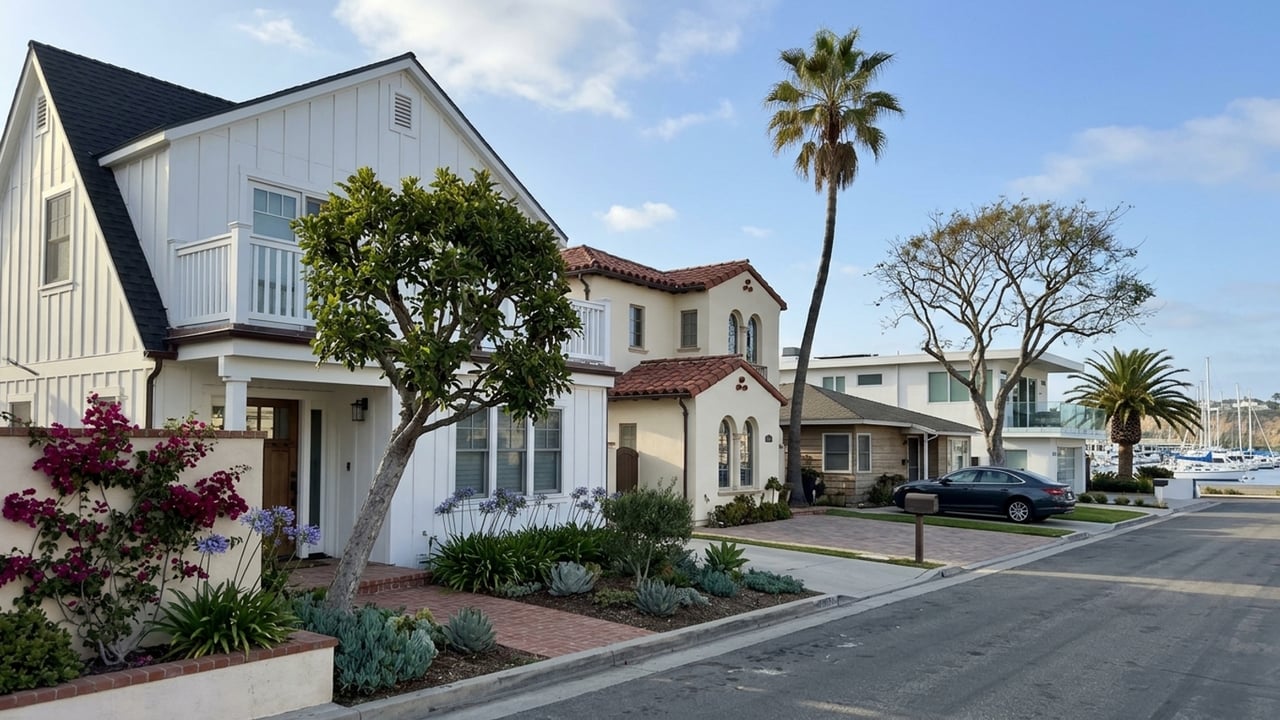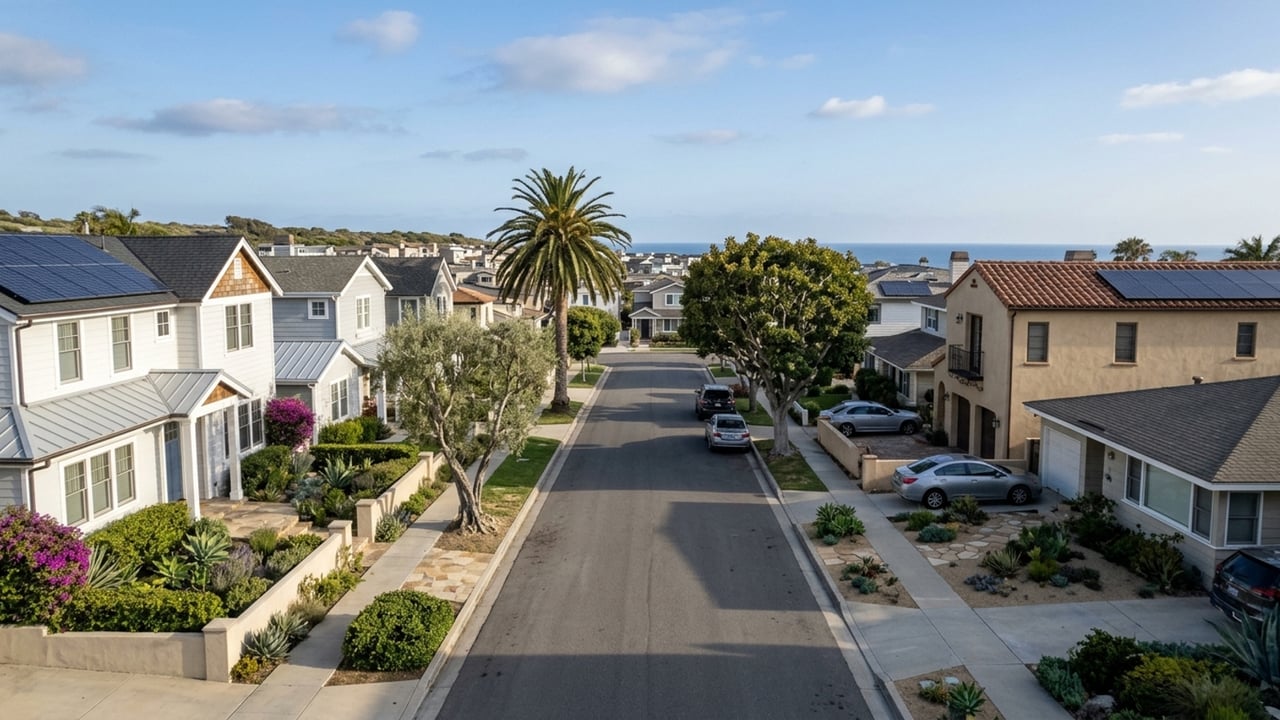
Corona del Mar is a neighborhood within the city limits of Newport Beach, which means residents don't have a separate local utility department and can't shop around for different providers. Every address here draws from the same Newport Beach-area companies for water, power, and natural gas.
Because the providers are fixed, your monthly budget comes down entirely to the specific house you want to buy or rent. The differences that matter are house-specific: pool equipment, solar panel ownership, HOA coverage, and municipal charges that show up on the annual property tax bill rather than a monthly statement. Getting a clear picture of those costs before you write an offer is the whole point of this guide.
Key takeaway
Most Corona del Mar homes get electricity from Southern California Edison, gas from SoCalGas, and water, sewer, and trash through the City of Newport Beach, so you cannot shop for providers. Your budget depends on the house: a pool, the solar setup, and the home's age move the bills the most, and some charges, like the sewer user fee, may arrive on the property tax bill rather than monthly. Ask the seller for 12 months of bills before you budget.
Who this guide is for
You're buying or renting a home in Corona del Mar and need to know which utility accounts to open, which charges may show up on the tax bill, and how to estimate costs for one specific house.
Who provides utilities in Corona del Mar?
Corona del Mar sits entirely inside the city limits of Newport Beach in Orange County, and that address dictates who provides your essential services. One thing worth clearing up early: buyers searching online sometimes confuse this coastal neighborhood with the city of Corona in Riverside County, which operates its own Corona Department of Water and Power. That Riverside County department does not serve Corona del Mar.
Because your providers are predetermined, your budget work focuses on the specific house and on the municipal charges that skip the monthly bill altogether. A few questions will tell you which sections of this guide matter most to your situation.
Does the home have solar panels? If so, check whether they're owned, leased, or under a power purchase agreement, and ask when they were connected to the grid. Is there a pool, spa, or large irrigated yard? The electric and water sections and the worked example below will matter most to your numbers. Is the home in an HOA or a multi-unit building? Dues may cover water, trash, or internet, so read the sewer and trash section and compare a types-of-homes guide before you count those costs twice. And if you already have a closing date, go straight to the setup section, where internet installation is the step to book first.
Electricity from Southern California Edison
Southern California Edison supplies power to the entire neighborhood. New residential accounts are typically placed on a time-of-use plan, which charges different rates depending on when you draw power from the grid. Check SCE's current residential time-of-use rate plans to confirm the exact peak window for the plan you select.
Running pool pumps, charging an electric vehicle, and doing laundry outside those peak hours will lower your overall cost.
Newport Beach is not a member of the Orange County Power Authority. Nearby cities like Buena Park, Fullerton, Irvine, and Fountain Valley participate in that community choice energy program, but Newport Beach continues to receive electric service directly through Southern California Edison. Rates are set by state regulators, so the only levers you have are the plan you choose and the time of day you use power.
Natural gas from SoCalGas
SoCalGas provides natural gas service for ranges, water heaters, furnaces, and fireplaces in the area. The mild coastal weather in Orange County tends to keep winter heating demand modest, though a heated pool or spa will push consumption up quickly during the cooler months.
Some remodeled homes in the neighborhood are completely electric, so a gas account may be minimal or unnecessary. Confirm exactly which appliances run on gas during your home inspection, and have the inspector note the age of the water heater and HVAC system. Older gas appliances and aging water heaters in original-condition homes can raise both your monthly bill and your future replacement costs.
Water service from the City of Newport Beach
Most Corona del Mar addresses receive municipal water service directly from the City of Newport Beach Utilities Department. The city provides drinking water, irrigation, and fire protection, and maintains the Big Canyon Reservoir located within the neighborhood. Confirm with the Utilities Department that your exact address is in its water service area.
Effective January 1, 2026, the city charges a fixed monthly service charge based on your meter size, such as $36.59 a month for a standard 5/8-inch to 3/4-inch meter, plus a usage charge of $4.36 per hundred cubic feet of water used. The bill combines that fixed service charge with the consumption charge, and the city issues statements either monthly or bi-monthly depending on the specific account.
Outdoor watering rules also apply permanently across the city. Irrigation with a system that is not continuously attended is limited to no more than ten minutes of watering per station, with exceptions for very low-flow drip systems and weather-based controllers. During a Level One Water Supply Shortage, the city specifies four irrigation days per week from April through October and two days per week from November through March.
Because landscaped yards and pools drive summer bills, ask the seller for statements that cover the summer months, not just the winter. The city statement often bundles several charges together, so read the line items closely before comparing it against a different house.
Sewer, trash, and charges on the property tax bill
The Orange County Sanitation District handles regional wastewater treatment but doesn't issue separate monthly invoices to residents. The sewer service fee for collection, treatment, and disposal is collected annually as a line item on your county property tax bill. It's legally classified as a fee because it's based on usage and demand rather than property value, and residential properties are charged a flat rate.
Residential trash and recycling collection is handled by the city's contractor, CR&R Environmental Services. Residents aren't directly billed for the collection service itself, but a recycling-only rate of $6.39 per residential unit per month is included in the municipal bill or property tax roll for the 2024-2025 fiscal year.
Some streets in the neighborhood sit in underground utility assessment districts, which add another line to the tax bill. Assessment District #117, for example, covers the Acacia Avenue, Pacific Drive, Coast Highway, and Carnation Avenue area. Unpaid portions of these assessments are financed via bonds that add roughly 10% of the total assessment to the annual property tax bill.
Read the line items on the current tax bill to see exactly what the previous owner paid, and review your closing costs and tax prorations to see how taxes are handled at closing. None of these annual charges appear in a seller's monthly bills, so a utilities figure based only on monthly statements will understate your true running costs. Annual property taxes and fixed utility rates shape the pros and cons of living in Corona del Mar.
Internet, cable, and phone service
Provider availability for internet and cable varies street by street across the neighborhood. Some blocks have access to high-speed fiber networks; others rely on traditional cable or home internet solutions.
Check the FCC National Broadband Map for the 92625 ZIP code to see which providers serve the exact address. If you work from home, check the available upload and download speeds before you write an offer rather than waiting until escrow closes.
If you're buying in a multi-unit building or a planned community, some homeowners associations have bulk service agreements that can limit your choice of internet provider or add a mandatory cost to your monthly dues. Ask the HOA what's included before you commit.
What makes utility bills higher or lower in a Corona del Mar home
Since every house in the neighborhood uses the same providers, the differences in monthly costs come down to the property's features.
Pools and spas are major drivers. The pumps and heaters require significant energy to run year-round, and an older, less efficient pump will draw much more power than a modern variable-speed model. Solar panels can offset some of these costs, but the financial impact depends on whether the panels are owned outright, leased, or under a power purchase agreement. Ask the seller for the original interconnection date and the specific net metering tariff the system uses, and confirm with the California Public Utilities Commission how long a legacy net metering tariff stays with the home after a sale. A lease or power purchase agreement must be assumed by the buyer or paid off by the seller at closing, and newer tariffs credit exported power differently.
Home size, age, and central air conditioning also swing the numbers, especially during the warmer late-summer months. Older windows and aging insulation force the HVAC system to work harder to maintain the temperature. If the home is in an association, check your overall cost of living and HOA fees to see whether monthly dues already cover water, trash, or internet service. A well-priced house can still carry high running costs from older equipment or a complicated solar lease the seller doesn't immediately mention.
How to estimate utility costs for a specific Corona del Mar home
The most accurate way to project your monthly costs is to collect 12 months of SCE, SoCalGas, and City of Newport Beach water bills directly from the seller.
Once you have those statements, adjust the usage based on how you'll live in the home. If you plan to run the air conditioning more often, charge an electric vehicle, or keep the pool heated through the winter, your SCE usage will be higher than the previous owner's. Shifting those heavy loads to off-peak hours will help control the increase. Add the annual tax-bill items, such as the sewer user fee and any underground utility assessments, and divide that total by 12 to get a monthly equivalent. Then add your internet and cable costs based on the provider's quoted price for that specific address.
That gives you a comprehensive monthly-plus-annual figure you can put next to your financing and monthly payment estimate to see the full cost of carrying the home. One caveat: if the home was vacant or part-time-occupied during those 12 months, the seller's past bills will severely understate your costs. Always ask how the home was used during that period.
How to set up utilities when you buy a home in Corona del Mar
Schedule your Southern California Edison and SoCalGas service to start on the exact day escrow closes. Ask SCE and SoCalGas whether a deposit applies to your new account when you call. Internet installation should be booked well in advance: technicians often need a week or more of lead time, and this is the step that can disrupt a move-in if left too late.
You can then submit your start-service request to the City of Newport Beach for water. The city can't take start-service requests more than two weeks in advance, and they handle billing and customer service inquiries through their Revenue Division.
Confirm with your escrow officer whether the sewer and trash services transfer with ownership automatically through the county tax records. Ask the seller to schedule their stop dates for the exact same day you start your service. Tim Smith Real Estate Group can pull together a provider contact list for a specific address to help you organize the transfer. A gap between the seller's stop date and your start date can cause a disruption in service, which can mean a reconnection fee or a day without water.
At a glance
- No MARKET DATA figures exist for Corona del Mar (feed returned 'no market region'), so this list names providers only and carries no statistics.
- Electricity: Southern California Edison. Confirm whether Newport Beach participates in a community choice program.
- Natural gas: SoCalGas.
- Water: City of Newport Beach Utilities for most Corona del Mar addresses. Confirm by address.
- Sewer: local collection plus regional treatment by the Orange County Sanitation District. The user fee is billed as a line item on the county property tax bill.
- Trash and recycling: city-arranged residential collection.
- Internet and cable: varies by street. Check the FCC National Broadband Map for the address. Book installation early once you have a closing date.
- Location basics for account forms: ZIP code 92625, Orange County.
Corona del Mar utilities FAQs
Is PG&E the electric company in Corona del Mar?
No. PG&E serves northern and central California, while Corona del Mar, as part of Newport Beach, is in Southern California Edison territory. Newport Beach is not a member of the Orange County Power Authority, meaning residents continue to receive their electric service directly through Southern California Edison rather than a community choice energy program.
What is the average monthly utility bill in Corona del Mar?
According to the U.S. Energy Information Administration's 2024 Average Monthly Bill report, California's average residential electricity customer paid $160.86 a month. That's a statewide figure, not a Corona del Mar average. The only reliable number for a specific house is the seller's past 12 months of actual bills.
Is $300 a month for utilities a lot in Corona del Mar?
It depends on the home's size, whether it has a pool or spa, how much air conditioning you use, and whether HOA dues already cover water or trash. The statewide electricity average alone was roughly $161 in 2024, and tax-bill charges like the sewer user fee aren't included in a monthly total. Compare any estimate against the seller's actual bills for the same months.
What uses the most electricity in a Corona del Mar home?
Heating and cooling, water heating, pool pumps, and electric vehicle charging typically use the most power. ENERGY STAR states that a pool pump could be a home's second-largest energy user, costing as much as $310 in energy every year. Running pool pumps and charging EVs outside of SCE's peak window will lower that cost.
What county is Corona del Mar in?
Corona del Mar is in Orange County, California, operating under the 92625 ZIP code. The Orange County Sanitation District sewer service fee is billed annually on the county property tax bill, as described in the sewer and trash section above.
Does Newport Beach charge a utility users tax?
Check the line items on a recent SCE and SoCalGas bill to see if a city utility users tax applies to the property, and ask the seller for complete copies of their statements during the disclosure period.
Do you need a deposit to start SCE service in Corona del Mar?
As of the current SCE customer service policy, the utility is not billing deposits for residential customers starting service. If billing resumes, residential deposits would be based on two times the average monthly billing charges over the last 12 months. Ask SoCalGas the same question when scheduling your natural gas service.
Sources
- Corona del Mar Chamber of Commerce: City Services & Elected Officials
- City of Newport Beach: Water and Sewer Rates
- City of Newport Beach: Water Services
- Code Publishing: Newport Beach Municipal Code Chapter 14.16
- Orange County Power Authority: FAQ
- Southern California Edison: How Deposit Amount is Determined
- Orange County Sanitation District: Sewer Rates
- City of Newport Beach: Trash & Recycling
- City of Newport Beach: Service Directory
- U.S. Energy Information Administration: 2024 Average Monthly Bill
- ENERGY STAR: Pool Pumps