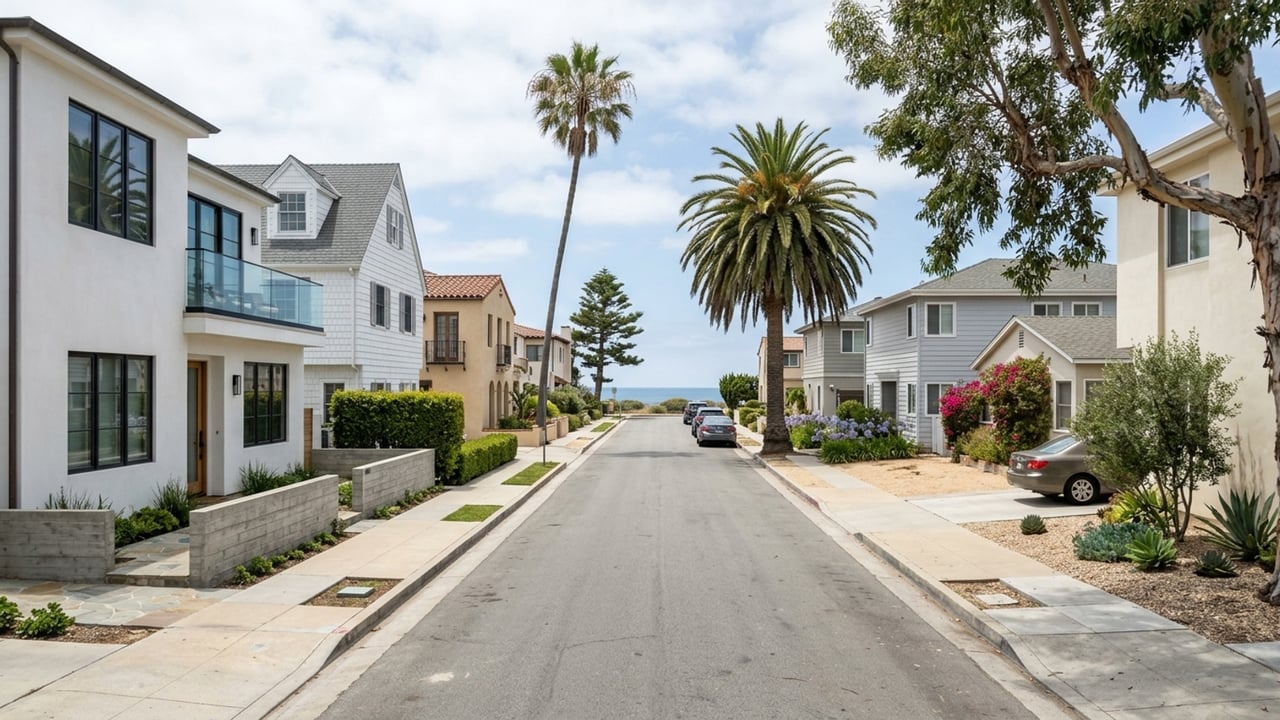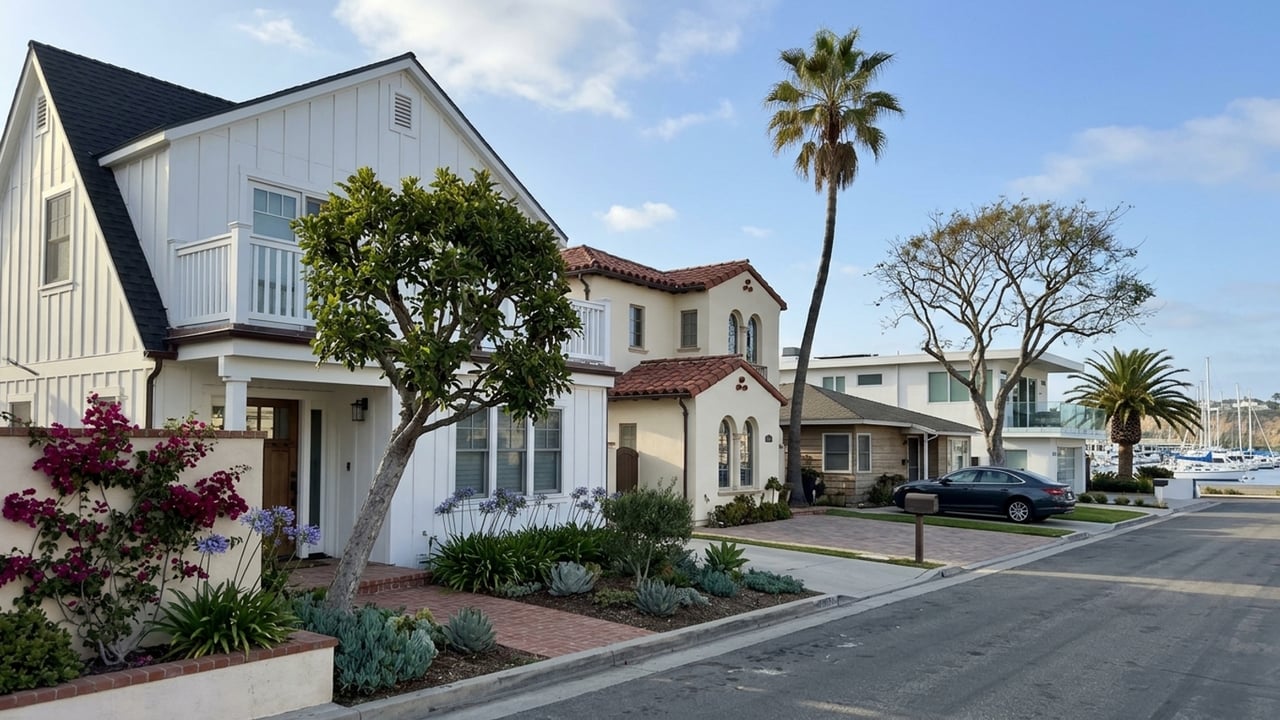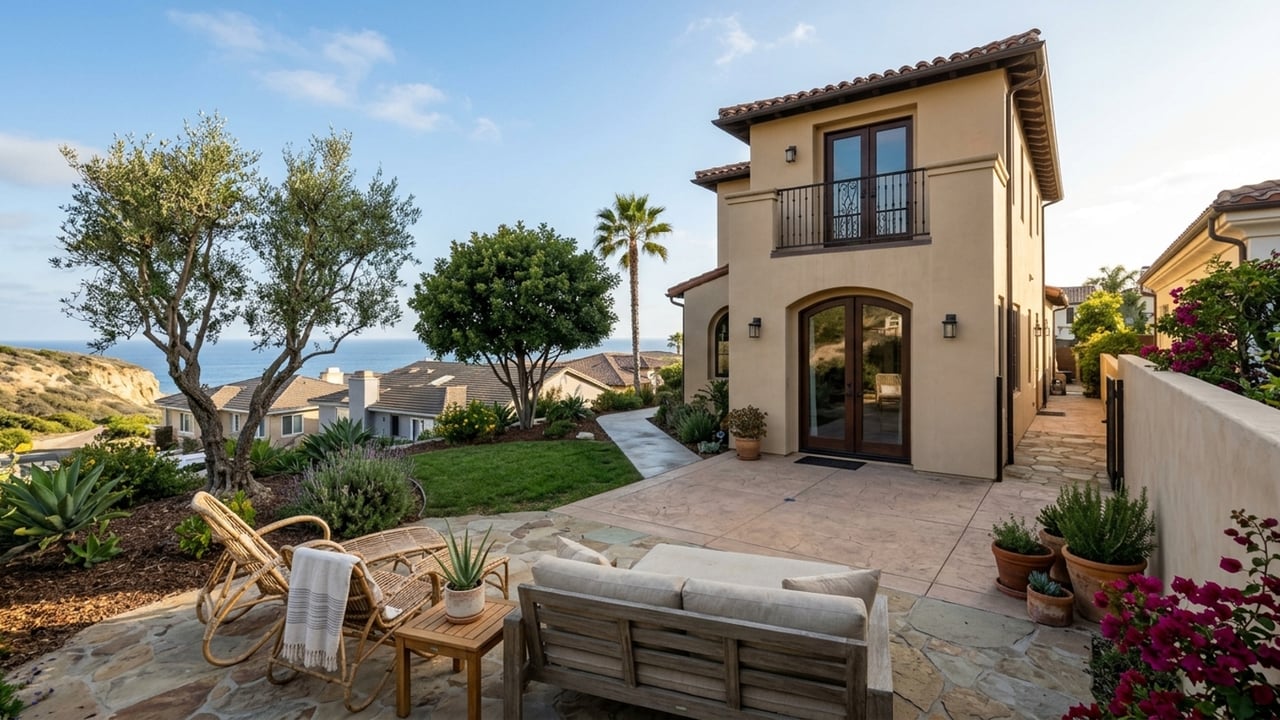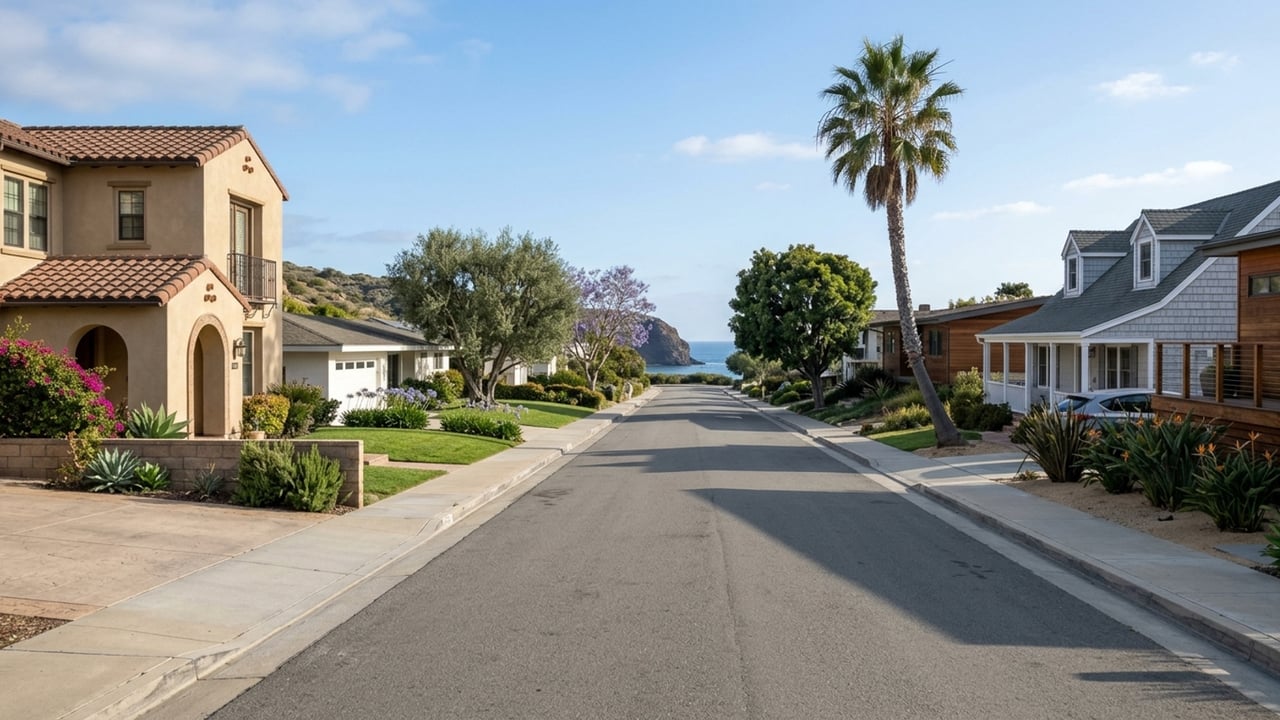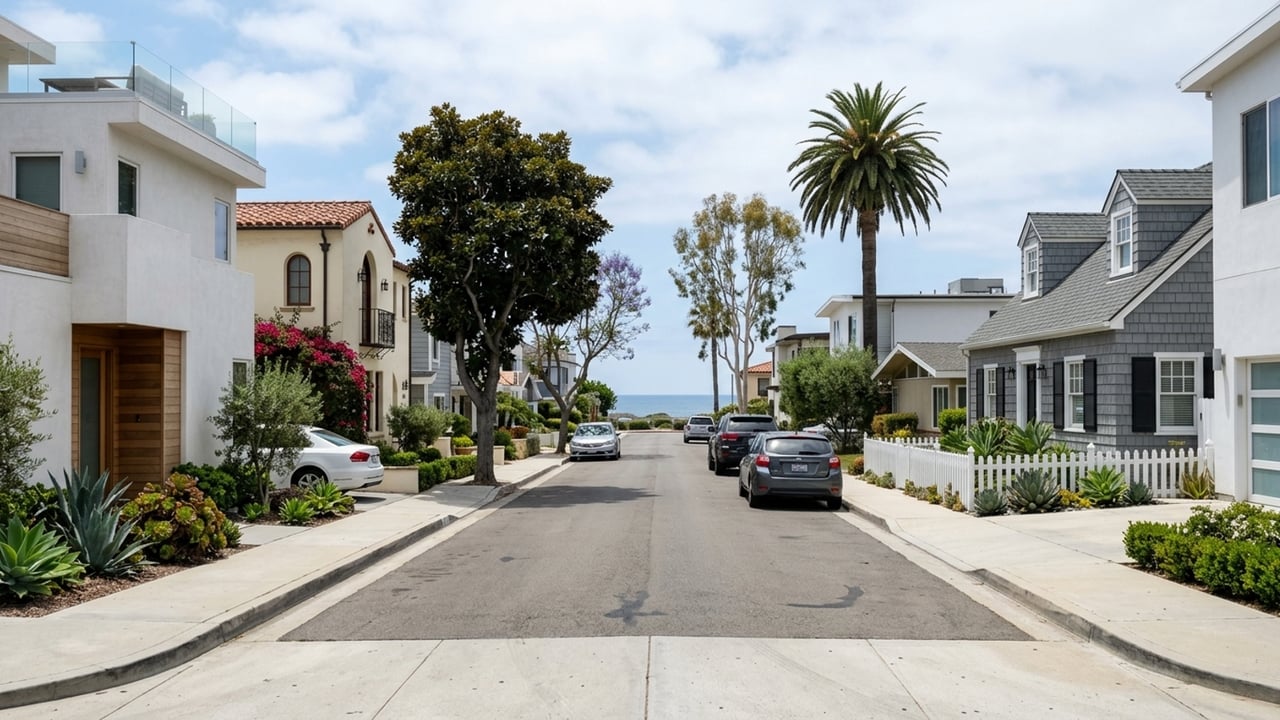
While prices vary among the different types of homes in Corona del Mar, the area's overall median home price currently sits somewhere in the $3.7 million to $4.5 million range. At those price points, the cash you need beyond your down payment adds up fast - and it can catch buyers off guard if they haven't planned for it.
Buyer closing costs in California typically run about 2% to 5% of the purchase price, excluding agent commissions. Knowing exactly what's inside that percentage - and who pays which piece - means you walk into escrow with the right number, not an approximation.
Understanding Closing Costs in California
Closing costs are the fees, taxes, and prepayments required to finalize the sale. They go to the third parties who process the transaction: your lender, the escrow company, the title company, and local government agencies collecting their recording fees. None of it builds equity - it's the price of getting the deal done.
Every transaction splits these costs between buyer and seller, but California doesn't mandate a fixed division for most of them. What you'll pay comes down to regional customs - which Orange County has plenty of - and what you negotiate into the purchase contract.
Closing Costs vs. Down Payments
Your down payment reduces your loan balance. Closing costs are a completely separate pile of money, and they don't give you any equity in return. You'll need enough cash in escrow to cover both figures combined.
Your lender accounts for this when calculating your cash to close. If you're putting 20% down, your final wire will be that 20% plus whatever your closing costs land at.
Splitting Costs Between Buyers and Sellers
Sellers generally carry the real estate agent commissions - historically the largest single chunk of transaction costs. Buyers handle the fees tied to getting a mortgage: origination charges, the appraisal, the lender's title policy.
Some costs, like escrow fees and certain title charges, fall somewhere in the middle and get divided based on local county customs. Those customs set the default starting point, but the purchase contract can always say otherwise.
How Much Buyers Pay for Closing Costs in California
Data from CoreLogic and Rocket Mortgage puts California buyer closing costs - excluding prepaid items - at roughly 1% to 2.1% of the purchase price. That's below the national average percentage, mostly because California's higher property values dilute the impact of flat-rate fees. Once you fold in prepaid property taxes and homeowners insurance, the range expands to 2% to 5%.
The exact percentage shifts based on loan size and how much you put down. A larger down payment means a smaller loan, which can shave down origination fees slightly. Cash buyers skip lender fees entirely and usually land well below the midpoint of that range.
Average Percentages and Dollar Amounts
The 2% to 5% range is a reasonable planning figure, but it's deliberately broad. For a home at the lower end of the broader California market, total costs might run $10,000 to $15,000.
As the price climbs, the dollar amount grows even as the percentage can drift toward the lower end of the range. Your lender's Loan Estimate - not a back-of-the-napkin percentage - is the number you should rely on.
Why Orange County and Corona del Mar Costs Run Higher
A $3.7 million to $4.5 million median price means the dollar consequences of that 2% to 5% range are substantial. Fees tied to the loan amount or sale price - title insurance premiums, origination charges - scale right along with the property value.
Property taxes require larger upfront escrow reserves at these price points too. The percentage looks similar to the rest of the state. The dollar figure does not.
Estimated Buyer Closing Costs by Home Price
Applying the standard 2% to 5% to specific price points gives you a concrete sense of what you're preparing for. A $300,000 purchase in California produces estimated closing costs of roughly $6,000 to $15,000. At $500,000, that shifts to $10,000 to $25,000.
These estimates include both direct transaction fees and the prepaid expenses needed to fund your escrow account. The final number will move based on your lender, the time of year you close (which affects tax prorations), and the cost of your specific homeowners insurance policy.
Sample Costs Across Different Price Tiers
A $400,000 purchase puts your estimated closing costs somewhere between $8,000 and $20,000. At $600,000, the range moves to $12,000 to $30,000, depending on loan terms and how property taxes prorate.
In the luxury tier that defines coastal Orange County, the figures are a different conversation entirely. A $4,000,000 purchase in Corona del Mar could produce buyer closing costs ranging from $80,000 to over $200,000 - with the size of the mortgage and prepaid property tax reserves doing most of the driving.
Calculating Your Specific Costs
Your lender is required to provide a Loan Estimate within three days of your mortgage application. That document itemizes every expected fee, from the appraisal through the recording charges. That's your real number.
If you're paying cash, ask the escrow company for a preliminary settlement statement. Without lender fees or mortgage-related prepaids, cash buyers typically fall well toward the lower end of the percentage range.
A Breakdown of What Buyers Pay
Buyer closing costs generally fall into three buckets: lender charges, third-party fees, and prepaids. Lenders charge for underwriting and processing your loan. Third parties - the appraiser, title company, and escrow officer - handle the independent services required to transfer the property. Prepaids are future expenses you pay upfront: property taxes, homeowners insurance, and per-diem mortgage interest.
Understanding which bucket each line item falls into helps you see where your money is going on closing day.
Lender Fees and Appraisal Costs
Origination fees typically run around 0.5% to 1% of the loan amount. You may also encounter discount points - optional upfront payments that buy down your interest rate over the life of the loan.
The appraisal fee is standard, usually a few hundred dollars. Your lender needs an independent valuation to confirm the property supports the loan amount before they'll approve the deal.
Title Insurance and Escrow Fees in Southern California
Title insurance protects against past claims or defects on the property's title. In Orange County, the buyer customarily pays for the lender's title insurance policy; the seller pays for the owner's policy.
Escrow fees go to the neutral third party that manages the transaction funds and documents. In Southern California, those fees are commonly split 50/50 between buyer and seller - though that's negotiable in the purchase agreement.
Transfer Taxes and Prepaids
Orange County uses California's standard county documentary transfer tax rate: $1.10 per $1,000 of the sale price. There's no additional city transfer tax layered on top for Orange County properties. Sellers customarily pay this charge, though the contract can specify otherwise.
Prepaids frequently make up the largest single portion of a buyer's cash to close. Your lender will require you to fund an escrow account with several months of property taxes and a full year of homeowners insurance premiums upfront - both to protect the lender and to make sure those bills don't lapse.
Who Customarily Pays Which Closing Costs in Orange County
Southern California follows its own regional customs for dividing closing costs, and they don't always match what buyers hear about from friends who bought in the Bay Area or elsewhere in the state. These unwritten norms shape how escrow companies draft their initial settlement statements.
That said, every fee is technically negotiable. A motivated seller might absorb costs they'd normally skip, or a buyer making a competitive offer might pick up costs the seller typically carries. Market conditions drive those conversations.
Standard Buyer and Seller Responsibilities
In Corona del Mar and across Orange County, buyers handle their loan origination fees, appraisal costs, and the lender's title insurance policy. They also fund their prepaid property tax and homeowners insurance reserves.
Sellers typically pay the real estate agent commissions, the county documentary transfer tax, and the owner's title insurance policy. The base escrow fee is usually split evenly.
Seller Concessions and Credits
A seller concession is a specific dollar amount - or a percentage of the purchase price - credited to the buyer at closing to offset their closing costs. It gets written directly into the purchase agreement.
Lenders cap how much a seller can contribute, generally between 3% and 9% of the purchase price depending on the loan type and down payment size. Those credits apply to closing costs only - not to the down payment.
A Worked Example for a Corona del Mar Home Purchase
The numbers become a lot clearer when you run them against an actual scenario. With Corona del Mar's median home price in the $3.7 million to $4.5 million range, closing costs aren't a rounding error in the budget - they're a major line item that deserves its own planning conversation.
The example below is a framework, not a quote. Your lender, your insurance carrier, and your closing date will all move the real figures.
Closing Costs on a Luxury Purchase
Say a buyer purchases a $4,000,000 home in Corona del Mar with a 20% down payment ($800,000) and a $3,200,000 mortgage. At 2% to 5%, total buyer closing costs would fall between $80,000 and $200,000.
A 1% origination fee alone on that loan would be $32,000. Add a full year of luxury homeowners insurance paid upfront and several months of property taxes held in escrow, and you're moving toward the middle or upper end of that range quickly.
Estimating Costs for a Cash Buyer
Cash buyers eliminate a significant portion of those fees. No origination charge, no appraisal, no lender's title policy, no lender-mandated tax and insurance escrow account.
For a $4,000,000 cash purchase in Corona del Mar, closing costs could drop to roughly 1% of the purchase price or lower. What remains is the buyer's half of the escrow fee, recording fees, and any prorated property taxes or HOA dues owed at closing.
Ways to Lower Your Closing Costs
Some fees are fixed - county recording taxes, for example, aren't up for debate. Others have real room to move. Buyers who actively work both the seller negotiation and the lender comparison tend to come out better than those who take the first Loan Estimate they receive.
Reviewing that Loan Estimate early in the process gives you time to question specific line items and explore alternatives before you're close enough to closing that changing lenders isn't practical.
Negotiating with Sellers
Seller credits are the most direct way to reduce your out-of-pocket costs. If the inspection turns up items that need attention, asking for a closing cost credit in lieu of repairs is a reasonable approach - and one that avoids the hassle of managing contractor work before closing.
Whether a seller agrees depends on how motivated they are and how long the property has been sitting. A home that's been on the market for a while gives you more leverage.
Shopping for Lender Credits
A lender credit works the other direction from discount points: the lender covers a portion of your closing costs, and you accept a slightly higher interest rate in exchange. Less cash at closing, more cost over the life of the loan - whether that trade makes sense depends on how long you expect to hold the property.
Comparing Loan Estimates from multiple lenders is worth doing regardless. A lender with a lower rate might carry higher origination fees that erase the advantage. Running the full numbers on each estimate tells you which package serves your situation.
Frequently Asked Questions About Closing Costs
Who pays for title insurance, escrow and transfer taxes at closing in Corona del Mar, CA?
In Orange County, the seller customarily pays for the owner's title insurance and the county documentary transfer tax, which is $1.10 per $1,000 of the sale price. The buyer pays for the lender's title insurance policy. Escrow fees are generally split evenly between the buyer and the seller.
Are closing costs usually about 3% of the sale price in California?
Yes, 3% is a reasonable middle-ground estimate. Buyer closing costs in California typically range from 2% to 5% of the purchase price, with the final number depending largely on the size of the loan and the required prepaid property taxes.
How much are buyer closing costs on a luxury home in Corona del Mar, CA?
For a median-priced Corona del Mar home between $3.7 million and $4.5 million, buyer closing costs generally range from $74,000 to $225,000. Cash buyers will see costs at the very bottom of that range or lower, while buyers financing the purchase with a large mortgage and establishing tax escrows will pay more.
Can I negotiate closing costs or have the seller pay them in California?
Yes, buyers can negotiate to have the seller pay a portion of their closing costs through seller concessions. Lenders cap these contributions based on loan type, and the seller must agree to the terms in the final purchase contract.
When are my final buyer closing funds due during the escrow process?
Buyers typically wire their final closing funds to the escrow company a few days before the official closing date. The exact timeline is coordinated by the escrow officer once the lender issues final loan documents and the final settlement statement is approved.
What happens if the final closing costs on my home purchase exceed the initial Loan Estimate?
Lenders are legally bound by tolerance limits on certain fees - they can't arbitrarily increase origination charges or appraisal fees beyond a set percentage. If an unrestricted fee like prepaid homeowners insurance increases, the buyer covers the difference at closing.