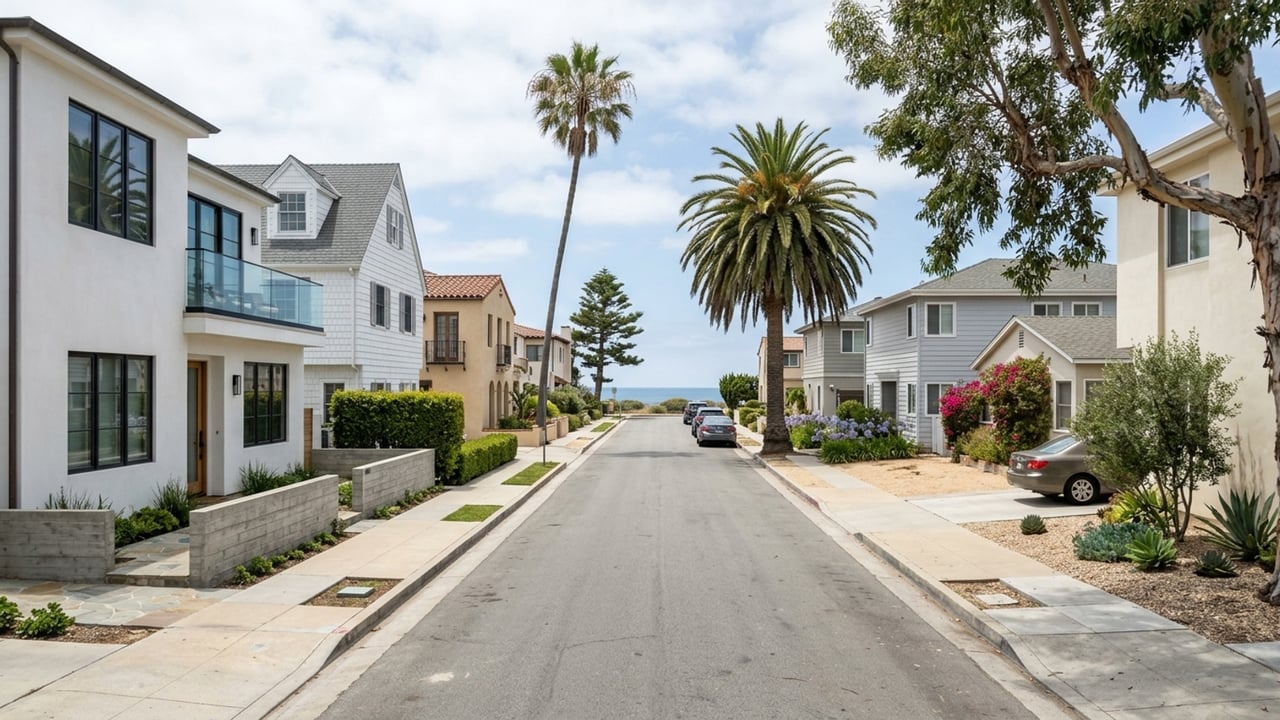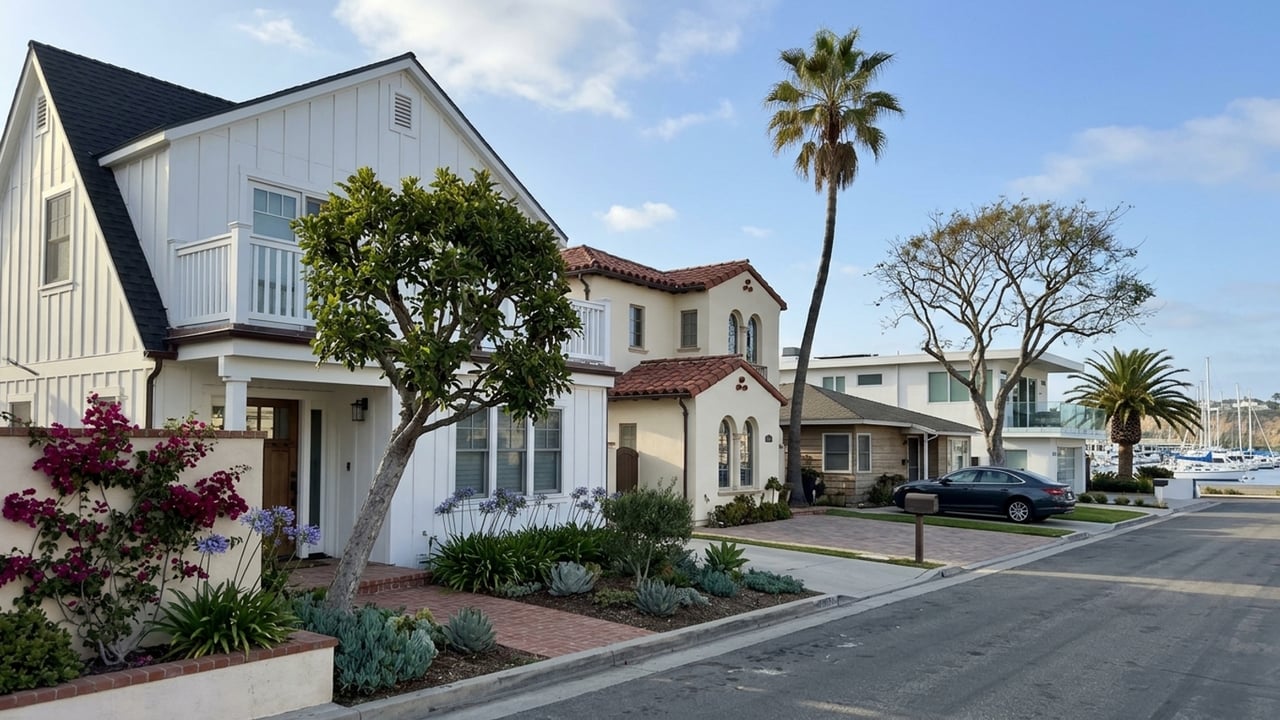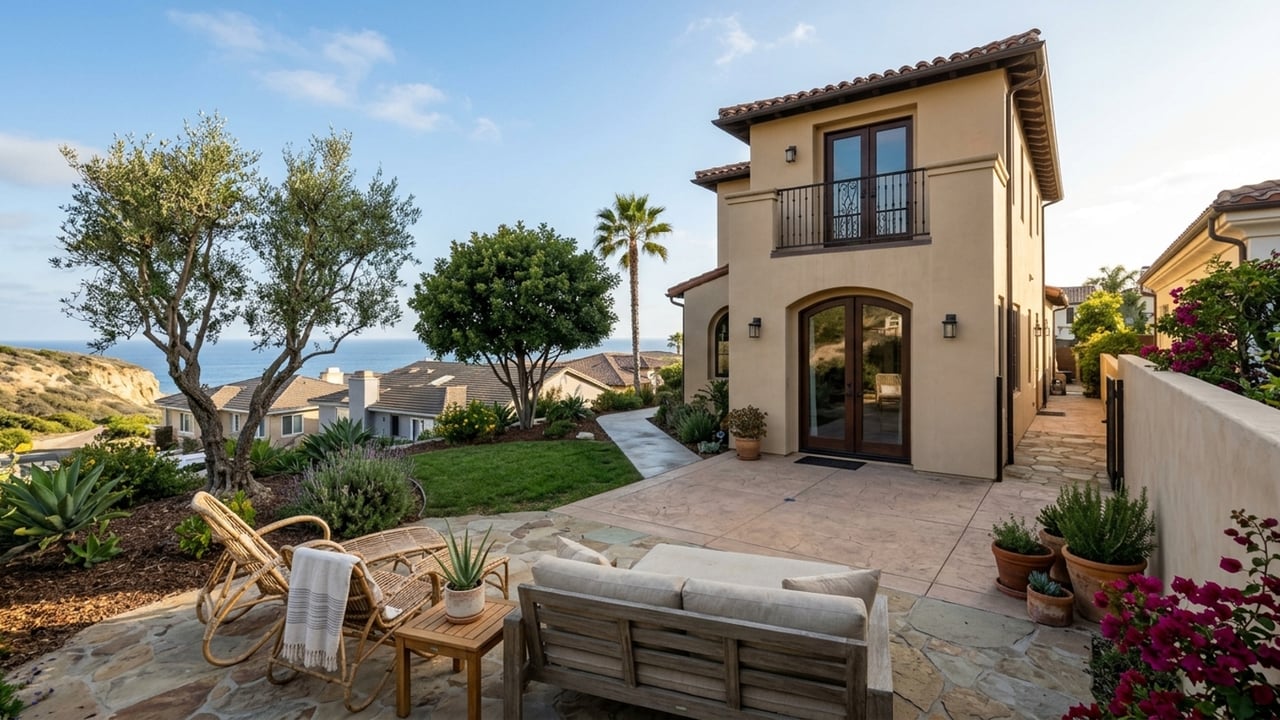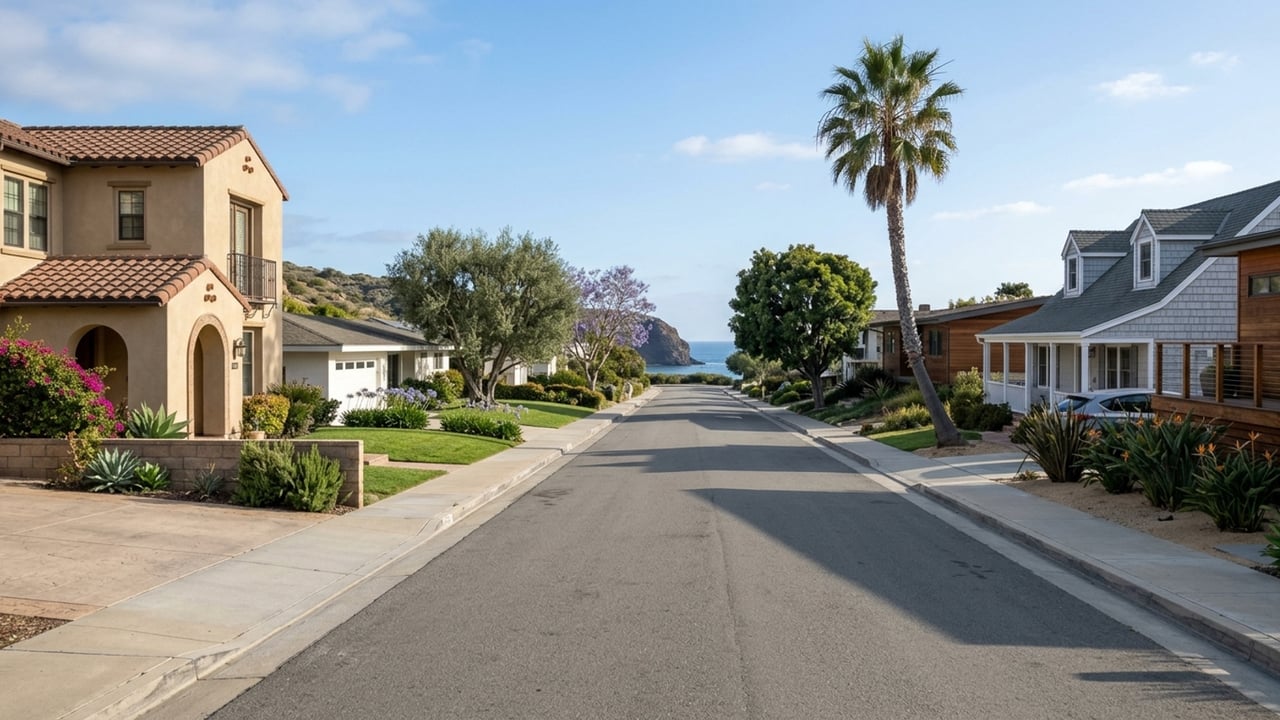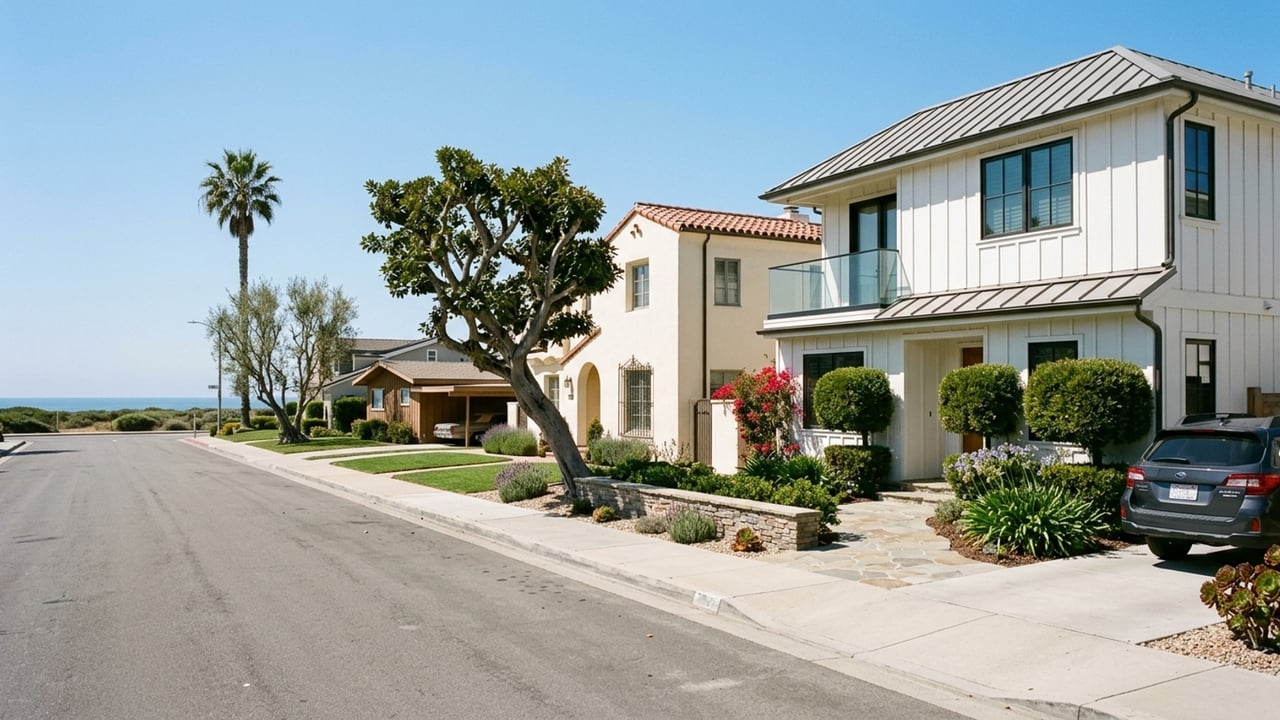
The cost of borrowing money shapes every real estate transaction. In Corona del Mar, CA, buyers and sellers both feel the impact of shifting interest rates on their daily decisions - and right now, those shifts are meaningful enough to change what you can afford, how you price a home, and whether a deal closes on time. Ultimately, these rates determine which types of homes in Corona del Mar fit your budget.
As of late September 2026, California mortgage rates are trending upward. The 30-year fixed rate has climbed to roughly 7.0% to 7.4%, driven by a more restrictive Federal Reserve stance. Knowing how to read these trends before you write an offer - or set a listing price - makes a real difference.
Current Mortgage Rate Trends in Corona del Mar, CA
Rates have moved this year. After hitting a February low near 6.05% and an August average of 6.67%, they've increased by roughly 90 basis points from that winter trough. These late September figures represent the highest borrowing costs since January 2025.
If you're looking at homes in this Newport Beach neighborhood, that context belongs in your budget conversation before you start touring anything.
Where to Get Your Actual Rate
Online rate trackers give you a broad national or state average - they don't reflect what a lender will offer you. To find out what you qualify for, you need a same-day quote or a formal Loan Estimate from a lender. Those documents outline the exact terms available based on your financial profile. An internet search will usually leave you with a number that's somewhere between misleading and useless.
Why Rates Move Daily
Mortgage rates fluctuate every day based on bond market activity and inflation data. When economic reports show strong growth or high inflation, borrowing costs generally rise to compensate. Lenders adjust their pricing sheets daily - sometimes multiple times a day - in response to these signals. A rate you see on a Tuesday morning might not be available by Wednesday afternoon.
How Rate Changes Affect Your Buying Power in Corona del Mar
A shift of just half a percentage point changes your monthly housing expense. In a higher-priced Orange County market like Corona del Mar, those small percentage changes translate to significant dollar amounts - and they help explain why buyer demand moves when borrowing costs do.
Comparing Monthly Payments at Different Rates
For illustration, consider a $1,000,000 loan balance at different interest tiers. At 6%, the principal and interest payment runs roughly $5,995 per month. At 6.5%, it jumps to about $6,320. At 7%, it reaches roughly $6,653. A 1% rate increase adds hundreds of dollars to a monthly payment without changing the home's purchase price by a single dollar.
The Trade-Off Between Price and Interest
Buyers often debate whether to purchase a less expensive home at a higher rate or wait for rates to drop. Lower purchase prices mean smaller loan balances, which can sometimes offset the sting of a higher rate. But when rates drop, home prices often rise due to increased competition. There's no clean answer - you have to weigh your monthly budget against the risk of paying a premium in a low-rate environment.
How Different Loan Types Shape Your Mortgage Rate
The type of financing you choose establishes the baseline for your interest rate. Lenders price loans differently based on repayment timeline and loan structure, so your long-term plans for the property matter here. A primary residence you intend to keep for decades calls for a different approach than a short-term investment property.
30-Year vs. 15-Year Fixed Loans
A 30-year fixed mortgage stretches payments out - lower monthly bill, higher rate. It's still the most common choice for buyers who want predictable, manageable payments. A 15-year fixed loan comes with a lower rate, but the compressed timeline means substantially higher monthly payments. If you can absorb that payment, the total interest savings over the life of the loan are meaningful.
Adjustable-Rate Mortgages and Who They Fit
An adjustable-rate mortgage (ARM) typically offers a lower initial rate for a set period - five or seven years, commonly. After that introductory phase, the rate adjusts annually based on market conditions. This structure makes sense if you plan to sell or refinance before the fixed period ends. If you're staying put long-term, be prepared for the possibility of higher payments once that adjustment period begins.
Conventional, FHA, VA, and USDA Loans
Conventional loans aren't backed by the government and generally require stronger credit scores to secure the best rates. Government-backed options - FHA, VA, and USDA loans - each carry their own rate structures and qualification rules. VA loans, for example, often provide very competitive rates for eligible veterans and service members. Ask your lender which program fits your financial background rather than defaulting to whatever they lead with.
Ways to Secure a Better Interest Rate
You can't control the broader economic forces driving rates, but you can control your personal financial profile. Lenders reserve their best pricing for borrowers who present the lowest risk, and small improvements in your application before you seek pre-approval can make a real difference.
The Role of Your Credit Score
Your credit score is the single largest personal factor influencing your mortgage rate. Borrowers with excellent credit qualify for the lowest available rates on any given day. Lower scores mean higher rate quotes - the lender is pricing in their perceived risk. Review your credit reports and correct any errors before you apply.
Down Payments, Points, and Buy-Downs
A larger down payment reduces the loan amount and lowers the lender's risk, which often results in a better rate. You can also pay discount points upfront at closing to permanently lower your rate, or use a temporary buy-down that reduces the rate for the first year or two of the loan. Sellers sometimes offer to pay for those buy-downs as a concession to attract buyers - worth asking about in the right negotiation.
Shopping Multiple Lenders
Accepting the first rate quote you receive is a costly habit. Different lenders carry different overhead costs and profit margins, which shows up in the rates they offer. Request Loan Estimates from at least three lenders on the same day so you're comparing apples to apples. That side-by-side comparison will tell you quickly who's offering favorable pricing.
What a Rate Lock Does
A rate lock guarantees your interest rate for a specific period - usually 30 to 60 days - while you complete your purchase. It protects you from a sudden market spike during escrow. If rates jump before closing, your locked rate stays put. Ask your lender about lock extension policies upfront, in case your closing timeline runs long.
Choosing a Mortgage Lender in Orange County
Corona del Mar is a distinct neighborhood within the city of Newport Beach, and local transactions have their own rhythms. The lender you choose affects your interest rate and your ability to close on time - and a reliable local professional is often worth more than a slightly lower rate from a company that doesn't return calls.
Local Lenders vs. National Call Centers
Local lenders use local appraisers who understand the value of coastal properties in Newport Beach. They're in your time zone and they know how local escrow works. Large national call centers often rely on out-of-area appraisers who may not have a feel for neighborhood nuances, and communication delays with out-of-state processors can put your closing date at real risk.
Questions to Ask Before Choosing
Before you commit to a lender, ask about their average closing timeline and how they handle communication outside standard business hours. You want a loan officer who's reachable when you're writing offers on a Saturday afternoon. Also ask whether they process and underwrite loans in-house - operations that handle it internally generally move faster and hit fewer unexpected delays.
Banks, Credit Unions, and Brokers
Retail banks and credit unions lend their own money and offer their own loan products. If you have an existing relationship with a local bank, they might extend relationship discounts worth exploring. Mortgage brokers don't lend their own funds - instead, they shop your application across multiple wholesale lenders to find favorable terms on your behalf. Neither approach is automatically better; it depends on your situation and who's sitting across the table.
What Interest Rates Mean for Corona del Mar Sellers
Mortgage rates don't just affect buyers - they dictate the pace of the entire housing market. When borrowing costs shift, the pool of active buyers expands or contracts accordingly, and sellers who aren't paying attention to that dynamic tend to make pricing decisions they later regret.
How Rates Shape Buyer Demand
As rates climb, buyers lose purchasing power and some are forced to pause their search entirely. That means fewer showings and fewer multiple-offer situations. When rates trend downward, buyers re-enter the market and competition for available homes picks up. If you're thinking about listing, watch these shifts - they'll tell you a lot about how aggressive your buyers are going to be.
Pricing and Timing Your Listing
Price based on current financing costs, not the low rates of previous years. An overpriced home in a higher-rate environment will sit, and price reductions tend to raise more questions than they resolve. Timing a listing to catch a rate dip can be useful, but market movements are difficult to predict. A well-priced home in Corona del Mar will attract serious buyers regardless of minor rate fluctuations.
Mortgage Rate FAQs
What are mortgage rates today in Corona del Mar, CA?
It depends on your financial profile and the exact day you lock your loan. As of late September 2026, California rates are trending between roughly 7.0% and 7.4%. To get an accurate number for your situation, you need a same-day quote from a lender.
Should I wait for rates to drop before buying a home in Corona del Mar?
It depends on your timeline and budget. Rates hit a low near 6.05% in February 2026 before rising again, which is a useful reminder that market timing is difficult. Waiting for lower rates often means facing higher home prices and more competition if demand surges.
How does a 1% change in mortgage rates affect my buying power in the Corona del Mar market?
It changes your monthly payment. A 1% rate increase reduces the total loan amount you can afford while keeping your monthly budget the same. In a higher-priced market, that shift can alter which properties fit your financial parameters.
Do I need a jumbo loan to buy a house in Corona del Mar, and how does that affect my interest rate?
It depends on the home's purchase price and the size of your down payment. Because Corona del Mar is a premium neighborhood in Newport Beach, many buyers exceed conforming loan limits and require jumbo loans. Jumbo loans often carry slightly different interest rates and stricter qualification rules.
How do I get the best mortgage rate as a buyer in Corona del Mar?
Work on your credit score and save for a larger down payment. Comparing Loan Estimates from multiple lenders on the same day is the most effective way to secure favorable pricing.
How are current mortgage rates impacting home prices and buyer demand for Corona del Mar sellers?
Higher rates generally reduce purchasing power, which can shrink the pool of active buyers. With rates reaching their highest point since January 2025 in late September 2026, sellers should make sure their homes are priced accurately for today's market conditions.
How do I choose a local mortgage lender in Corona del Mar versus using a large national bank?
Ask potential lenders about their experience closing loans specifically in Orange County. Local lenders often have stronger networks of local appraisers and a better understanding of regional escrow timelines than national call centers.
Getting Rate-Smart Guidance in Corona del Mar
Understanding current market conditions isn't optional in a transaction of this size. Having the right people around you - before you start submitting loan applications - changes the outcome.
Talk to a Local Agent First
Real estate agents track local market dynamics and understand how borrowing costs affect local home prices. A good one can help you work out a comfortable budget before you've spoken to a single bank. They can also tell you what sellers in Newport Beach expect to see in a pre-approval letter, which matters more than most buyers realize when you're ready to make an offer.
Connecting With a Trusted Lender
Agents work with lenders regularly and know which ones close on time. They can introduce you to local professionals with a proven track record in Orange County. The choice of lender is always yours - but a solid referral can save you a lot of time and frustration. Reach out to discuss your goals and get connected with reliable local financing options.