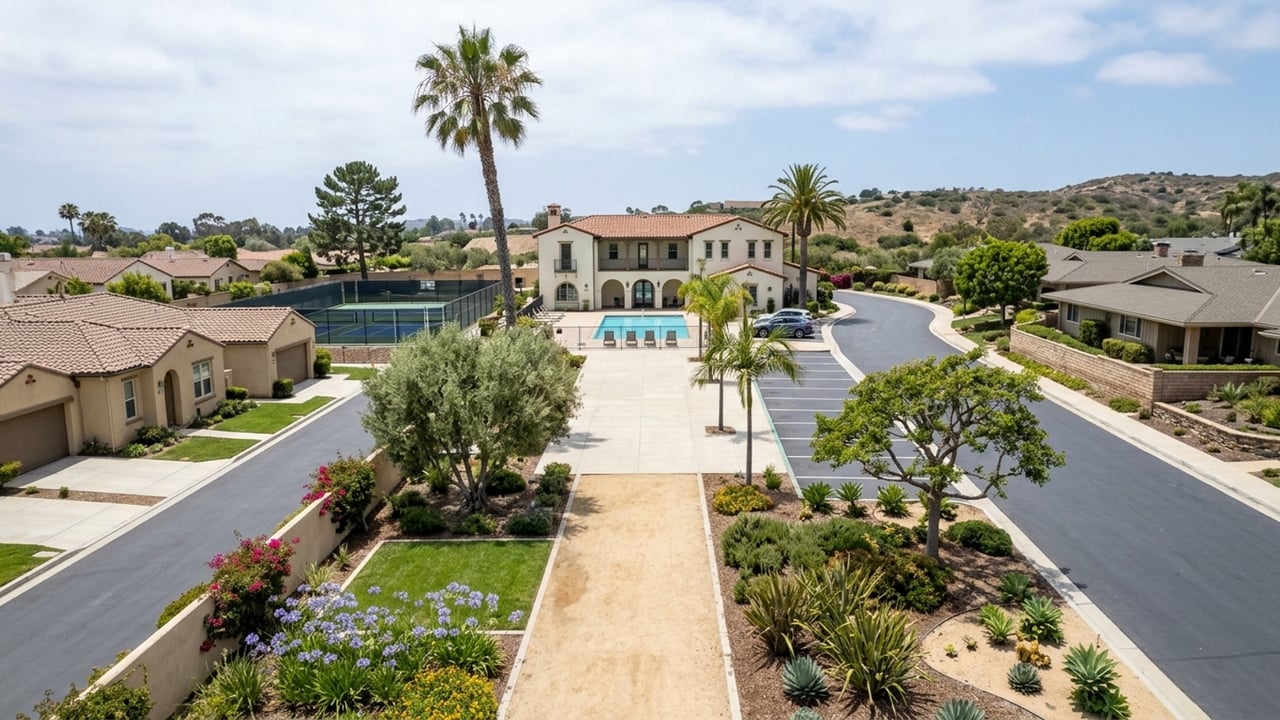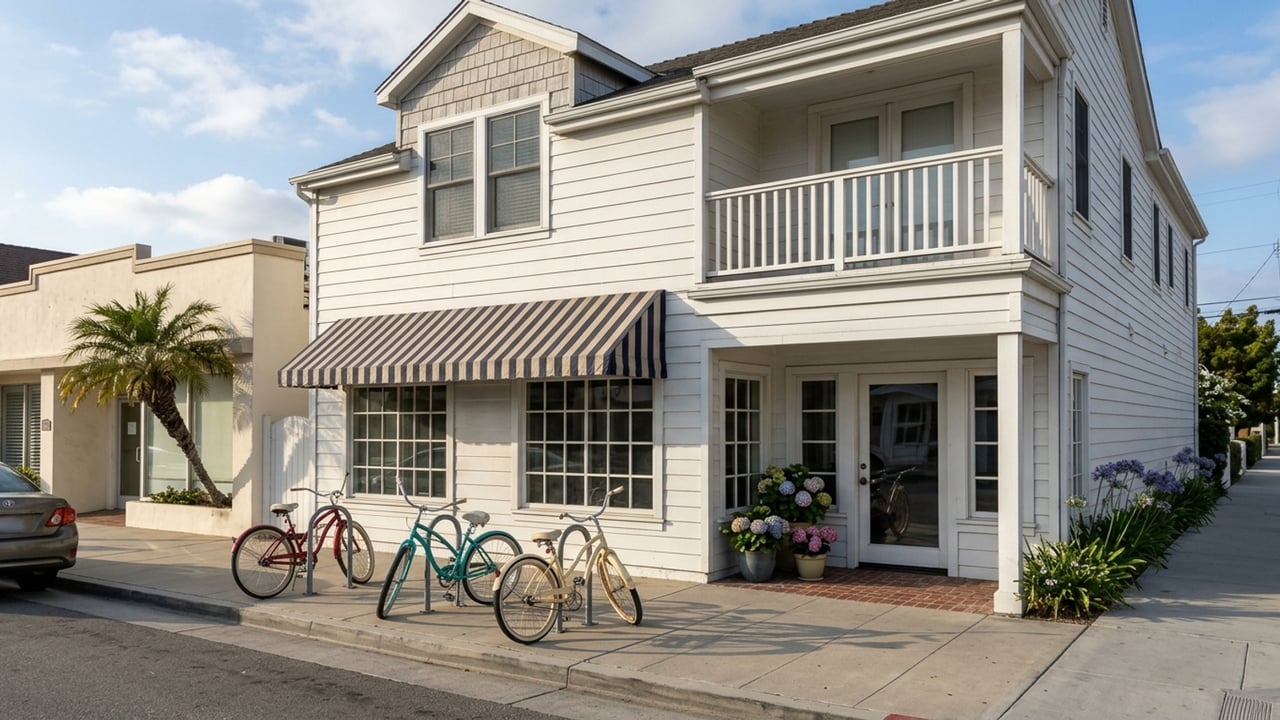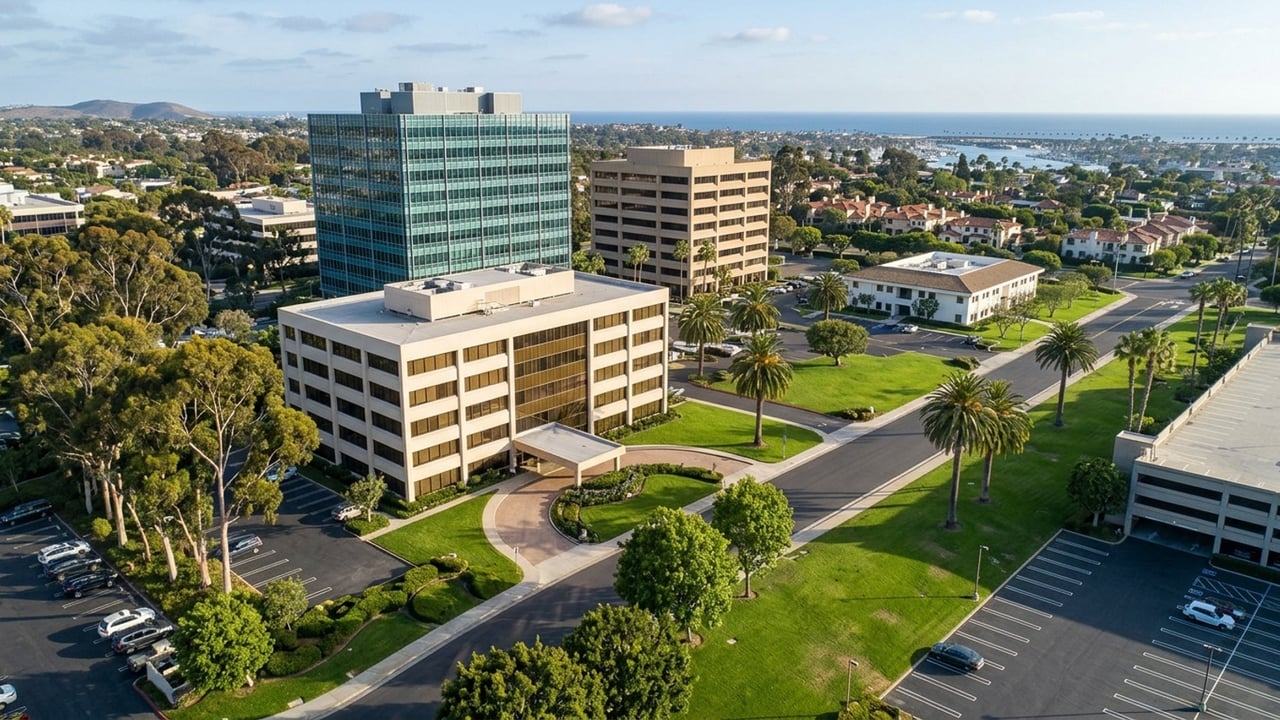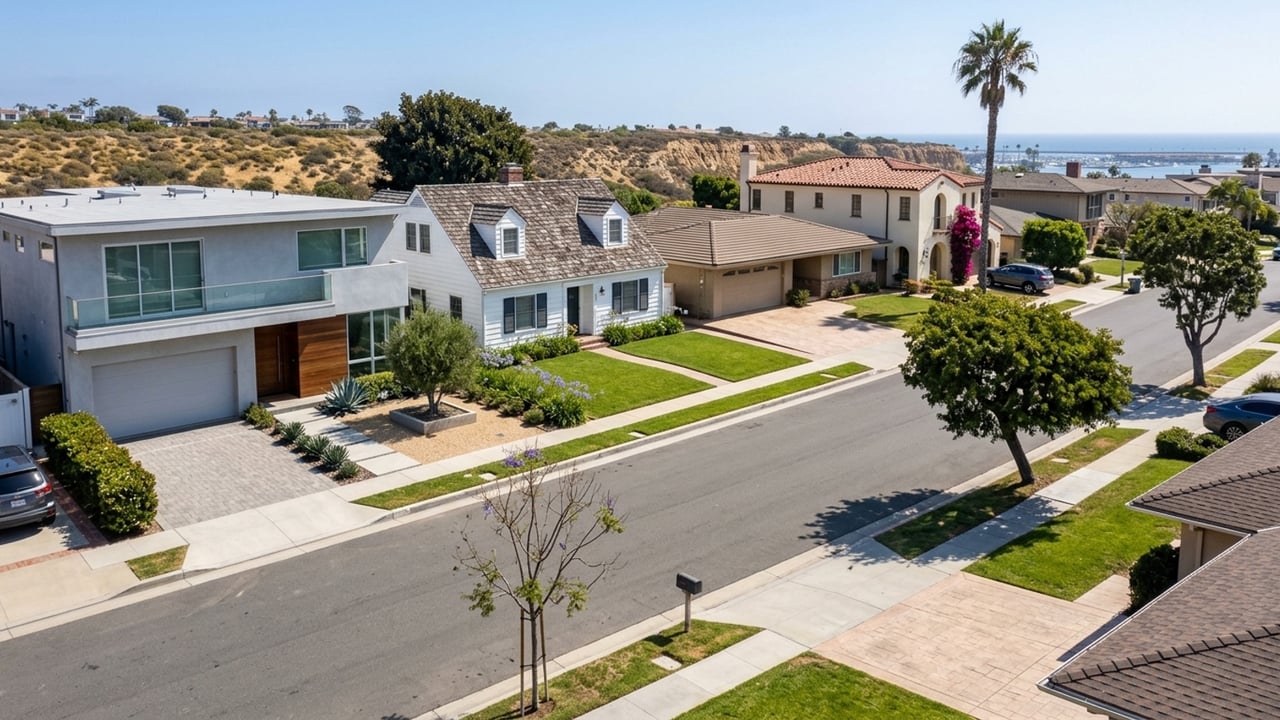
Newport Beach, CA sits along the Orange County coast with a median home price of roughly $3,975,000 as of mid-2026. That number alone tells you a lot about what you're getting into.
Buyers eyeing the area face a high financial barrier to entry, but the market keeps drawing interest, largely because of how close it puts you to Los Angeles and Irvine. A relocation decision requires looking past the coastline and examining housing costs, commute times, and published crime statistics. The pros and cons of living in Newport Beach, CA come down to whether your budget and lifestyle can hold up against the realities of this specific market.
The Reality of Moving to Newport Beach
With about 424 homes currently on the market, the picture is pretty clear: there are genuine benefits here, and there are real drawbacks. A coastal location means higher everyday expenses and a competitive real estate environment. The city offers access to major employment hubs in Orange County and established amenities, but the financial requirements are steep. Prospective buyers can review what to expect when buying a home in Newport Beach, CA.
Upsides of the Area
The most straightforward advantage is direct access to the Pacific Ocean, local marinas, and coastal parks. If that's a priority for your daily life, Newport Beach delivers it, not as a weekend drive but as your backyard.
The commute to Irvine and other Orange County business centers is relatively manageable. The housing market has also shown real stability: median sale prices are up about 4.6% year-over-year, and sellers are getting around 97.4% of their list price. That's sustained demand, not a soft market propped up by wishful listing prices.
Tradeoffs to Consider
The cost is the obvious one. When your median sale price hovers near $4 million, standard mortgage payments cut out a large share of buyers before the search even starts. Everyday expenses, including groceries, property taxes, and services, run well above national averages across the board.
And if you do find something you want, expect to wait. Homes are sitting about 67 days on market, with roughly 4.7 months of housing supply in the city. You're not going to rush this process.
Location and Orange County Access
Newport Beach sits in Orange County, south of Huntington Beach and west of Irvine. The city covers 23.8 square miles of land and water along the Southern California coastline.
According to Census Reporter data from 2024, the population is 82,956, translating to a density of roughly 3,486 people per square mile. Recent estimates show a slight annual population decline since the 2020 census.
Newport Beach Crime Rates and Statistics
Official data provides a clearer picture than neighborhood reputation or anecdote. The Newport Beach Police Department publishes crime statistics based on the FBI's Uniform Crime Reporting (UCR) and National Incident-Based Reporting System (NIBRS), so you have a real starting point.
Based on 2024 FBI data released in late 2025, the city recorded 206 violent crimes, or about 252 per 100,000 residents, roughly 30% below the national average. Property crimes came in at 1,532 incidents, or 1,873 per 100,000, which sits about 6% above the national average. Violent crime is lower than most of the country; property crime is slightly higher. That's the honest read.
Understanding the Published Rates
NeighborhoodScout data puts the overall crime rate at about 21 crimes per 1,000 residents, with a property crime rate of 19 per 1,000, reflecting the higher incidence of theft and burglary compared to violent offenses. That works out to a 1 in 48 chance of being a victim of either violent or property crime. Worth looking at in the context of the broader Orange County region, not in isolation.
Researching Figures for Specific Neighborhoods
Don't stop at the city-wide numbers. Look up data for the specific streets or blocks you're considering. The Newport Beach Police Department provides a crime mapping tool and portal on its website for exactly that purpose.
The Orange County Sheriff's Department also publishes regional statistics you can use for comparison. Those primary sources show what types of incidents are occurring near a specific property, which is the only number that matters when you're the one living there.
Housing Costs and Everyday Expenses
The Council for Community and Economic Research ranks Newport Beach among the most expensive cities in the United States. Average rent runs 95% higher than the national average, and that pulls the whole cost of daily life upward with it.
The U.S. Census Bureau's American Community Survey (ACS) puts the median household income somewhere between $132,670 and $156,867, depending on whether you're looking at one-year or five-year estimates. That income range reflects the financial reality of maintaining a residence here.
Home Prices and Rental Averages
As of mid-2026, Redfin MLS data shows a median sale price of $3,975,000. Homes are averaging 67 days on market, with about 4.7 months of housing supply in the city.
Renters face their own version of this. Zillow and Zumper report median rents for houses and larger properties between $8,100 and $8,500 per month. If you're looking at apartments, RentCafe and Apartments.com place average rents between $3,189 and $3,731 per month, still a significant monthly commitment.
Income Needed to Live Comfortably
The standard rule financial planners use is keeping housing costs under 30% of your gross income. At the $3,189 average apartment rent, you'd need to bring in about $10,630 per month to stay within that threshold. This is roughly $127,560 per year just to comfortably rent a standard apartment.
If you're buying at the $3.97 million median price, your household income needs to be substantially higher to satisfy lender debt-to-income requirements. There's no way to soften that math.
Population and Community Layout
Newport Beach skews notably older than the national average. Neilsberg's 5-year ACS data puts the median age at 48.2, compared to the national median of 38.8. Residents 65 and older make up over 23% of the population, well above the 16% national figure. The largest single age group, about 59% of residents, falls between 18 and 64.
Population growth has largely stalled. The city grew nearly 8% between 2000 and 2010, held virtually flat through 2020, and has seen slight declines in recent years. It's not a city experiencing rapid growth.
Comparing Newport Beach to Los Angeles and Irvine
Relocating to Southern California almost always involves a choice between coastal towns and major metropolitan centers. Newport Beach offers a different inventory and daily pace than either Los Angeles or Irvine, and those differences matter before you commit.
Los Angeles brings a massive job market, denser housing options, and far more extensive public transit infrastructure. Newport Beach relies almost entirely on personal vehicles and features a higher concentration of single-family homes and luxury condos. Irvine, just inland, is a major corporate hub for Orange County. Buyers working there frequently choose Newport Beach for the coastal access. They're trading a shorter commute for ocean proximity and, yes, higher home prices.
Specialized Housing: Senior, Assisted, and Sober Living
Newport Beach contains a range of specialized housing facilities built around specific medical and transitional needs. These properties operate under state regulations and local zoning ordinances, so the rules governing them aren't informal.
Senior living and assisted living facilities in Newport Beach, CA provide residential care, meal services, and medical monitoring for the city's older population. They range from independent 55+ condo communities to full-time memory care centers. The city also hosts numerous sober living homes, which provide transitional housing for individuals recovering from addiction. These are structured environments with peer support, operating within specific residential zones throughout the city.
Side-by-side comparisons: vs Costa Mesa, vs Los Angeles, vs Laguna Beach, vs Newport Coast, vs Long Beach. Related guides: Retirement communities in Newport Beach, History of Newport Beach, Getting around Newport Beach, Things to do in Newport Beach, Schools in Newport Beach, Is Newport Beach, CA safe, Job market Newport Beach, Utilities in Newport Beach, Hospitals in Newport Beach, Moving to Newport Beach, Weather patterns in Newport Beach, Cost of living in Newport Beach.
Frequently Asked Questions
How Much Do I Need to Make to Live Comfortably in Newport Beach, CA?
Plan for a household income of at least $127,560 per year if you're renting an average apartment. That figure assumes monthly rent of roughly $3,189 and follows the standard rule of keeping housing costs under 30% of gross income. Buying at the $3.97 million median price requires a much larger salary to satisfy lender debt-to-income limits.
How Bad Is the Summer Tourist Traffic for Locals Living in Newport Beach?
Specific daily traffic patterns fluctuate, but residents share the city's 23.8 square miles with visitors drawn to the Pacific Ocean and local marinas. The city relies almost entirely on personal vehicles for transportation, so that dynamic hits daily drive times during peak visitation periods.
What Is the Difference Between Living in Newport Beach Versus Huntington Beach?
Both are coastal Orange County cities, and Newport Beach sits directly south of Huntington Beach. Newport Beach carries a median home sale price of $3,975,000 as of mid-2026. You'd want to compare that specific figure against current inventory and pricing in Huntington Beach before deciding.
Which Newport Beach Neighborhoods Are Best for Families Relocating to the Area?
Fair Housing laws prohibit real estate professionals from steering buyers toward or away from specific neighborhoods based on familial status. What I'd suggest is reviewing the city's available inventory of 424 homes and identifying properties near the parks, marinas, or coastal access points that fit your family's actual daily routines.
What Is the Daily Commute Like from Newport Beach to Major Job Hubs Like Irvine or Los Angeles?
The drive to Irvine is relatively straightforward, as it borders Newport Beach on the inland side. Los Angeles requires a longer drive north on major freeways. Residents use personal vehicles for both routes rather than public transit.
Do Newport Beach Homeowners Need to Worry About Coastal Flooding or Expensive Insurance?
If you're buying near the Pacific Ocean or local marinas, review the specific property disclosures on coastal environmental conditions. With a median home value near $4 million, appropriate property coverage is a real line item in your monthly carrying costs, not something to sort out after closing.