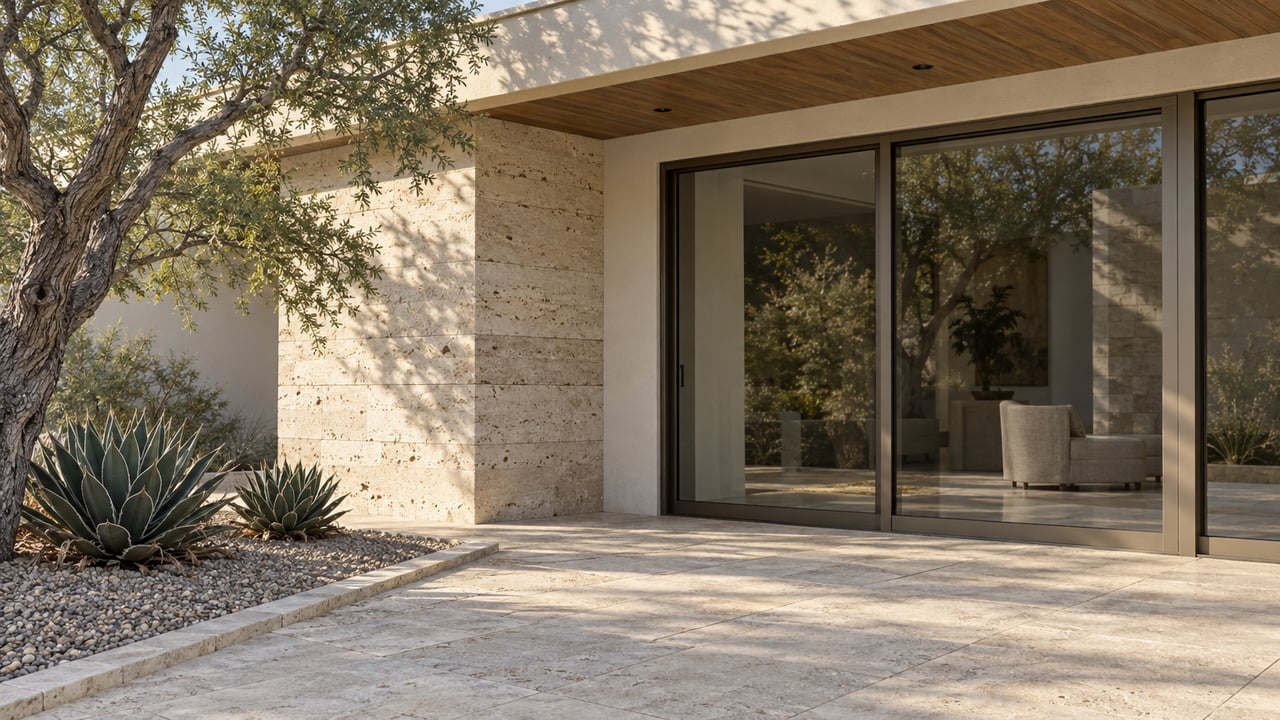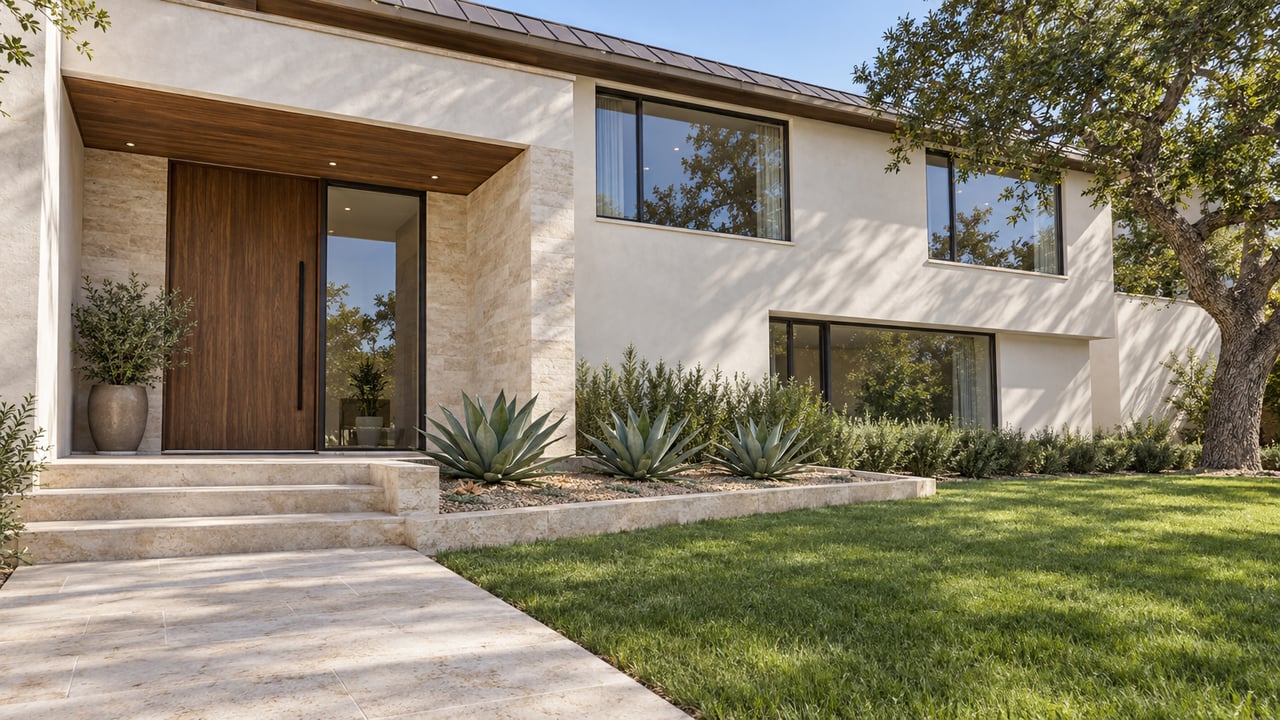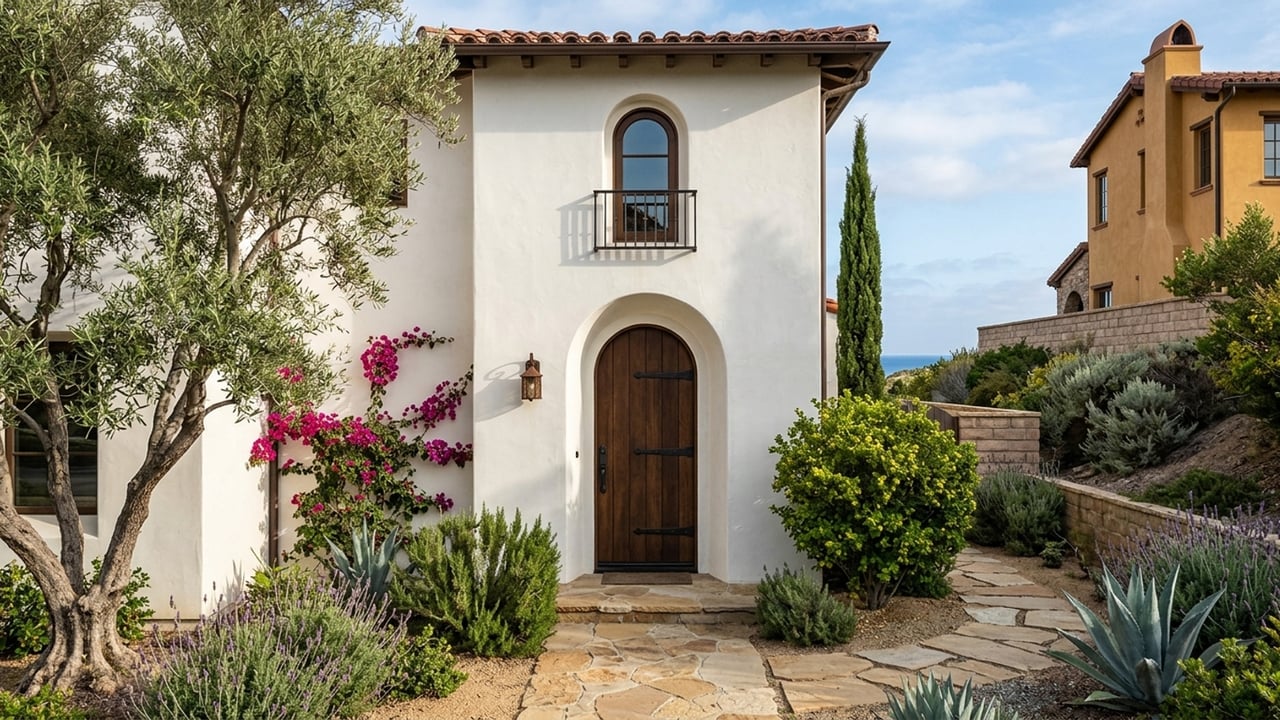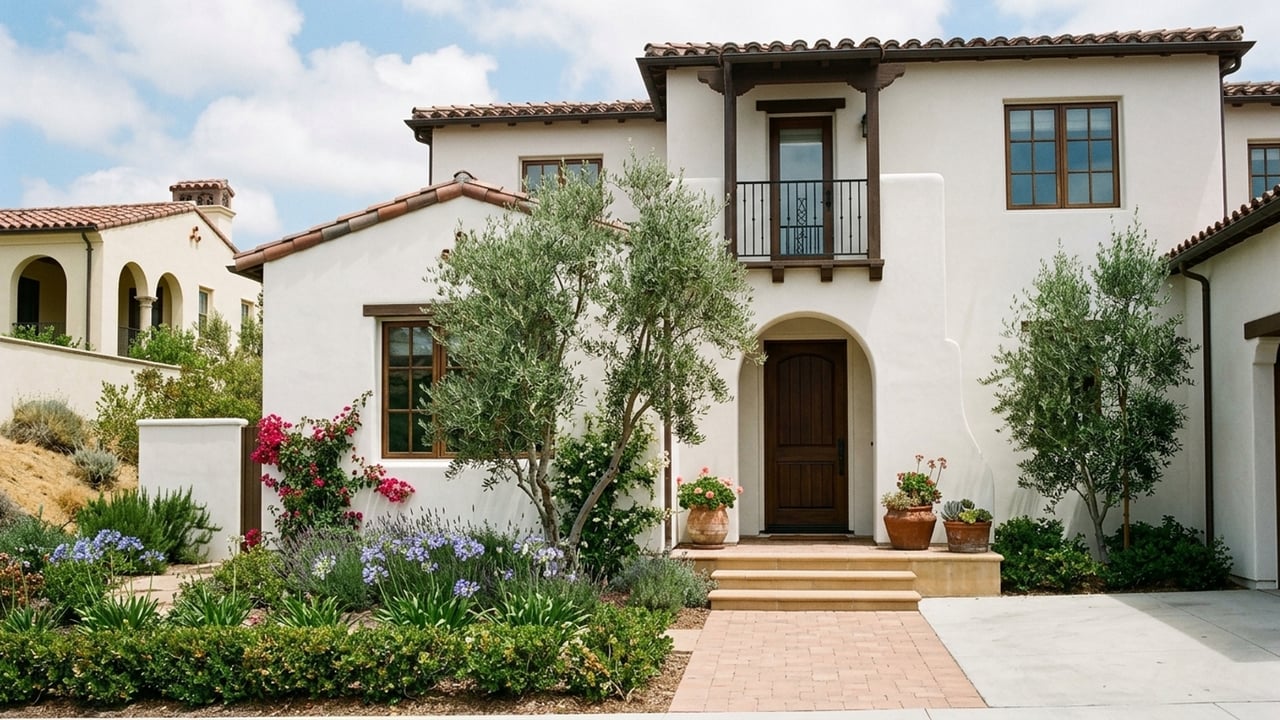
If you have driven along Dover Drive this year, you have watched two buildings disappear. A vacant medical office near 16th Street came down first. A second one, at 601 Dover Drive near the Cliff Drive intersection, followed. In their place: two townhome projects, 63 units combined, both approved or recommended for approval by the Newport Beach Planning Commission within the same year.
The natural question for anyone watching Dover Shores from across the street is whether this is the leading edge of something bigger headed for the neighborhood itself. It isn't, and the reason why is worth understanding before you make an offer or price a listing anywhere near this corridor.
The Overlay Behind Both Projects
Both townhome developments sit inside something called the HO-3 Dover-Westcliff Housing Opportunity Overlay, one of five zones Newport Beach created to satisfy a state-mandated housing obligation under California's Regional Housing Needs Assessment. Rather than spread that obligation across existing single-family tracts, the city drew the overlay around a specific stretch of aging commercial parcels along Dover Drive and 16th Street, the same medical office buildings that had sat there since the 1960s.
That is the mechanism worth sitting with. The overlay was not built to eventually reach Dover Shores. It was built as a container for the state's housing math, placed deliberately on commercial land so the surrounding residential blocks, Dover Shores included, would not need to absorb it directly.
Two Projects, One Corridor
| Project | Address | Builder | Units | Status |
|---|---|---|---|---|
| Dover Townhomes | 601 Dover Drive | Shea Homes | 33 | Approved by Planning Commission, February 5, 2026 |
| Westcliff at Dover | 1501 16th Street | D.R. Horton | 30 | Planning Commission recommended it for approval on June 18, 2026, pending final City Council action |
The Westcliff at Dover buildings will top out around 44 feet, tall for the area but below the 65-foot ceiling the overlay technically allows. That project moved through a state exemption process under AB 130 rather than a full environmental review, one more sign of how deliberately state law shaped this pipeline rather than leaving it to ordinary city discretion.
Why a Courtroom Settled This Before the Council Did
Two resident groups, Still Protecting Our Newport and the Newport Beach Stewardship Association, sued to force a public vote on the overlay under the city's Charter Section 423 growth-control provision, the same mechanism Newport Beach voters have used for decades to slow large developments. The suits were dismissed, on the finding that state housing law preempts that local vote requirement when a project sits on a state-mandated housing site.
That ruling matters more than the vote counts on either project. It means the argument that residents could simply outvote this corridor is closed. The overlay is not a proposal anymore. It is settled zoning that state law protects from the city's own growth-control charter, which is why both projects moved from plans to demolished buildings inside a single year.
What Dover Shores Itself Is Actually Pricing
None of this shows up as loosened supply inside Dover Shores, because there is no mechanism for it to. The enclave holds roughly 312 homes total, a number that has not changed in any recent count, and there are no vacant commercial parcels inside it to place a housing overlay on in the first place.
That fixed ceiling is showing up in price. As of July 2026, the median home price in Dover Shores stood near $7.65 million, up from roughly $6.3 million about a year earlier. Homes there were taking an average of 138 days to sell, well above a typical suburban pace, which tells you this is not a market moving on urgency. It is a market clearing on its own calendar because there is nothing forcing a faster one. When a neighborhood cannot add inventory, price and patience are the two variables left to do the work, and both are visibly stretched right now.
The Question on November's Ballot
The one variable that could still move is the size of the overlay itself. Newport Beach voters will decide a General Plan Land Use Element amendment on November 3, 2026, that would authorize up to 2,900 additional affordable housing units across the city's five overlay zones, with 174 of those units specifically allocated to the Dover-Westcliff overlay if the measure passes.
That number does not touch Dover Shores directly. It touches the same corridor that already absorbed the two current projects, and it would meaningfully raise the ceiling on what that corridor can eventually hold. The city council seat covering this part of Newport Beach, District 3, which includes Dover Shores, Santa Ana Heights, and Castaways, is also a contested race this cycle, with incumbent Erik Weigand facing challengers. Growth and land use questions are getting more attention locally than they have in past cycles, which is one more reason this specific ballot measure is worth tracking rather than assuming it will pass or fail quietly.
What This Means If You're Watching Dover Shores
The construction on Dover Drive is not a preview of what happens inside Dover Shores. It is the release valve the city built specifically so that pressure would not need to reach the enclave at all, reinforced by a court ruling that took the usual local check off the table. If you are comparing Dover Shores against other back-bay neighborhoods right now, the honest comp set stops at the Dover Shores property line, not at the corridor a few blocks away, because the two are already governed by different rules on paper.
The one date that could change this math sits seven weeks out. If November's measure passes, the corridor absorbs more density than it currently can, which does not extend into Dover Shores itself but does shape what the immediate approach to the neighborhood looks and feels like for years afterward. If it fails, the corridor stays capped roughly where it sits today. Either way, the decision is public and dated, which is more clarity than most neighborhoods bordering a state housing mandate ever get.
Common Questions
Does the new construction on Dover Drive affect Dover Shores home values directly? Not in the way a comparable sale would. The overlay parcels and Dover Shores properties are governed by different zoning, which is why appraisers and agents should treat them as separate comp sets rather than blending them.
What happens to Dover Shores specifically if the November measure passes? The measure adds capacity to the Dover-Westcliff overlay corridor, not to Dover Shores itself. There are no vacant overlay-eligible parcels inside the neighborhood's boundaries, so the practical effect would be felt along the corridor's edge rather than inside the enclave.
Will buyers ask Dover Shores sellers about the nearby overlay? Sellers in Dover Shores should still expect buyers and their agents to ask about the corridor, since it is a fair and reasonable question.
Understanding where a regulatory boundary actually falls, and where a listing agent's comp set should stop, is the kind of detail that only shows up when someone is tracking the paperwork alongside the market. If you are weighing a purchase or a sale near this corridor, the team at Tim Smith Real Estate Group can walk through what the current entitlements mean for your specific address and help you request a home valuation grounded in the comps that actually apply.
This article is general information, not legal, tax or financial advice. Consult a qualified professional about your situation.