The median sale price for homes across the best neighborhoods in Newport Coast, CA sits around $8.8 million, with properties spending roughly 64 days on the market. Drive along this stretch of Pacific Coast Highway and you'll see both estates on the hillsides and rustic cottages sitting right on the sand. They share a name and a general location, but that's about where the similarities end.
If you're seriously looking at this market, you need to understand what you can buy here - because one of these two things is not for sale at all.
Property Types and Architectural Styles
The Crystal Cove Historic District consists of 46 vintage cottages on 12.3 acres along the beach. Built between the 1920s and 1940s, these structures are vernacular construction - built by their original occupants using found materials like palm-frond thatching and driftwood salvaged from a capsized lumber ship, with no formal architects involved and no established property lines.
Up the hill, it's a different world entirely.
The Residential Community
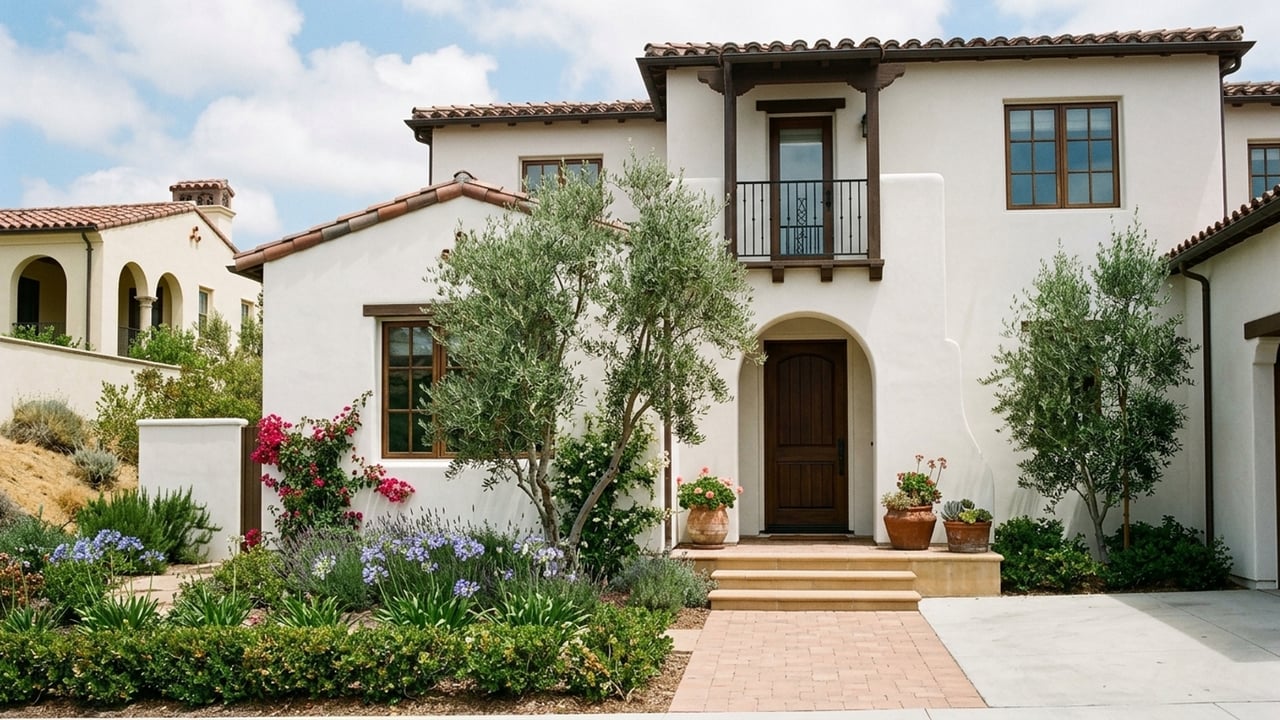
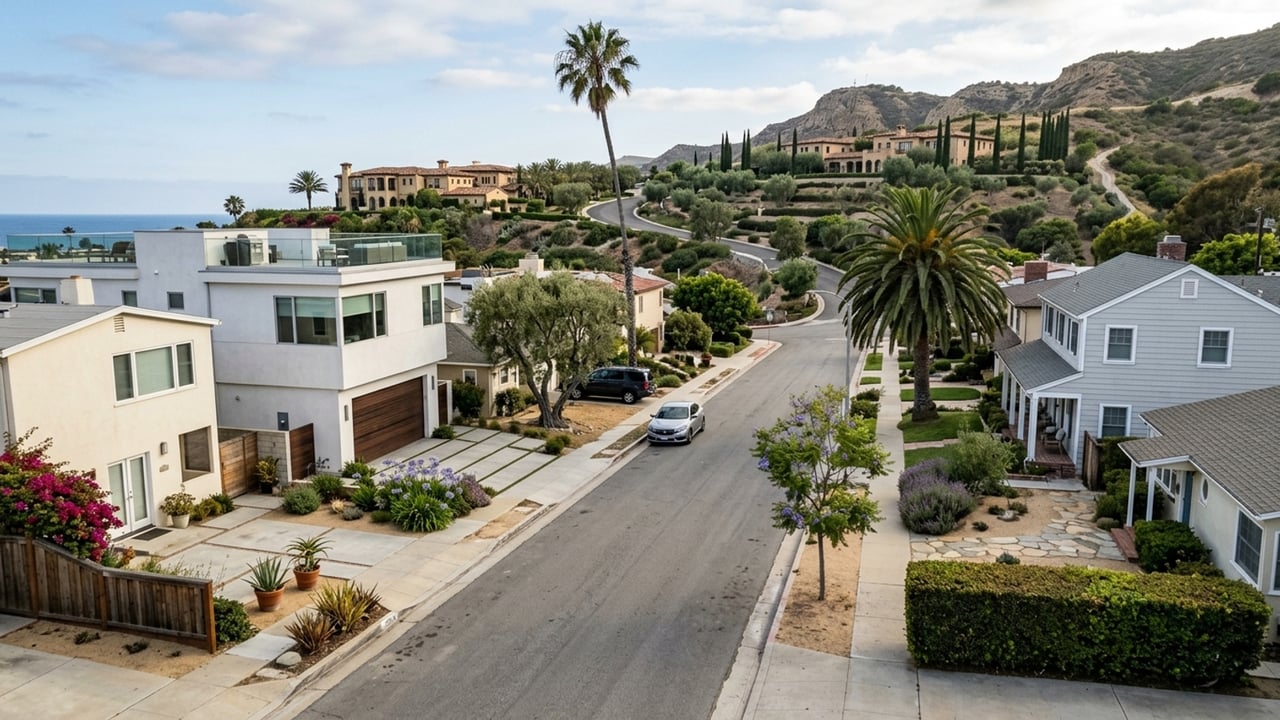
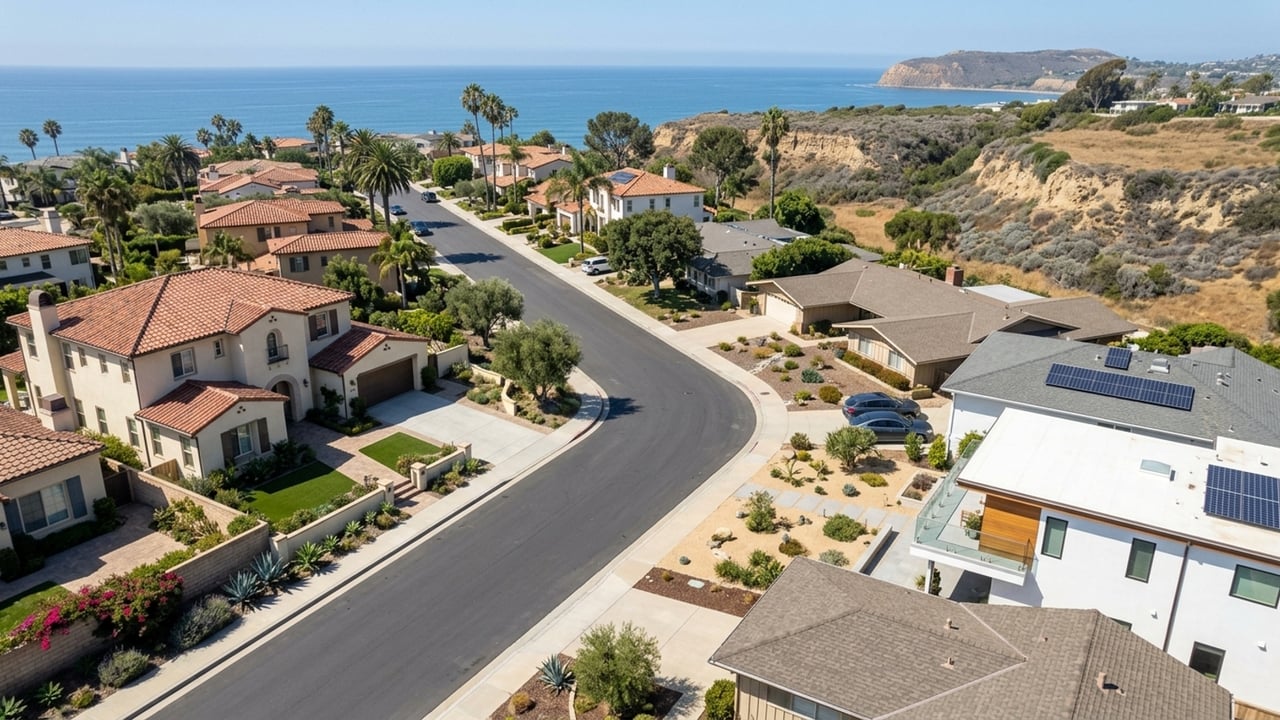
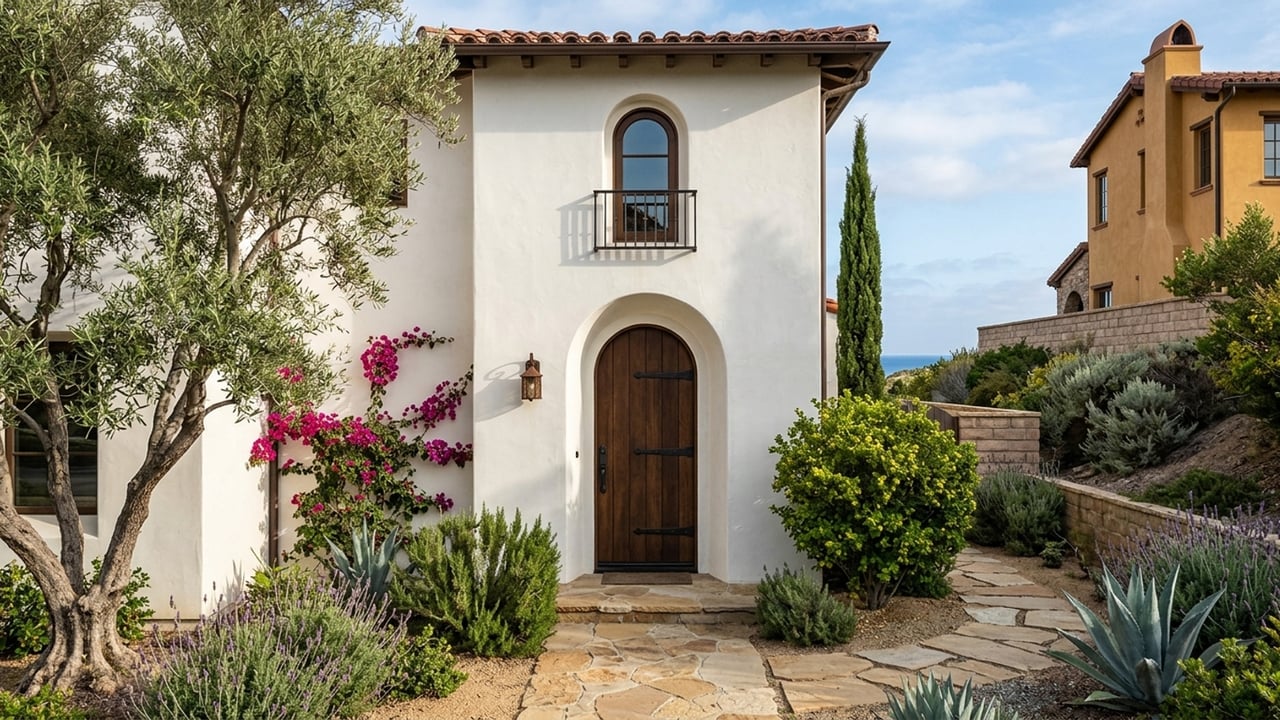
The broader Crystal Cove residential community is custom and tract construction designed in Santa Barbara, Tuscan, Provençal, Northern Italian, and Mediterranean Revival styles. Stucco walls, red-tile roofs, interior courtyards, European-inspired detailing - and a handful of custom estates that lean into contemporary coastal design instead.
Ownership structures also separate these two areas in a fundamental way. Homes in the residential community are privately owned fee-simple properties within a master-planned development. The historic cottages are state-owned and function as public overnight visitor lodging, a café, and educational spaces. Nobody lives in them permanently.
Pricing and Market Availability
The median sale price for the broader Newport Coast market is roughly $8.8 million, with homes selling at about 94.4% of list price. Within the specific Crystal Cove gated enclaves, values run higher - recent median list prices reached $13.7 million, and some custom estates have traded closer to $25 million. Inventory stays tight, with around 45 homes available and roughly a five-month supply across Newport Coast.
Here's the part that catches buyers off guard: you cannot purchase or lease anything in the Crystal Cove Historic District. The State of California bought the land in 1979 for $32 million, all private tenant leases expired by 2001, and the cottages are now operated for public overnight rentals by the Crystal Cove Conservancy as a concessionaire.
If you want to stay in one of the cottages, you book through ReserveCalifornia. If you want to hold a deed in this part of Newport Coast, the residential neighborhoods are your only option.
Association Fees and Preservation Rules
The historic enclave was added to the National Register of Historic Places in 1979 and is managed directly by California State Parks. Under the state-approved Historic District Preservation and Public Use Plan, any restoration work must preserve the vernacular character and original footprints of each structure. Modern remodeling isn't permitted - the same limits on dimensional changes that the Irvine Company enforced during the original 1930s tenant leases are essentially still in place today.
HOA Structure for Private Homeowners
Private homes in the surrounding hills fall under the Crystal Cove Homeowners Association, managed by Keystone Pacific Property Management. Monthly dues vary by subdivision - starting around $615 and reaching up to $3,030 for certain enclaves. Homeowners also pay into a separate Newport Coast master association and may carry additional Mello-Roos tax obligations on top of that.
HOA rules govern landscaping, exterior modifications, and community upkeep. Before you make an offer on any specific lot here, review the architectural guidelines for that particular tract so you know exactly what you can and can't do with the property.
Amenities and Beach Access
HOA dues fund access to the Canyon Club, a private facility reserved exclusively for homeowners and their guests. You get a fitness center, a Junior Olympic pool, tennis and pickleball courts, and a clubhouse, along with 24-hour guarded gates and private neighborhood parks.
None of that applies to the historic district. Guests there are paying visitors to a state park - they have access to the public beach, coastal trails, the Beachcomber Café, and a visitor center and store. The Canyon Club and gated residential streets aren't part of the picture.
The boundary is clear: residents of the luxury homes can walk or drive down to the public state park beach and eat at the café. State park visitors cannot enter the gated residential community above Pacific Coast Highway. Both sides of that line are fixed.
Frequently Asked Questions
What is the main difference between Crystal Cove and the Crystal Cove Historic District in Newport Coast?
The main difference is ownership and property use. The broader Crystal Cove area consists of privately owned, fee-simple luxury homes in a gated HOA community. The Historic District is a 12.3-acre state-owned enclave of 46 rustic 1920s-1940s cottages used exclusively for short-term public overnight rentals.
Can you buy a house in the Crystal Cove Historic District?
No, you cannot purchase real estate in the historic district. The State of California bought the land in 1979, and all private leases expired by 2001. The cottages are now state property operated by the Crystal Cove Conservancy.
What are the building restrictions in the Crystal Cove Historic District?
The district is managed by California State Parks under a strict preservation plan. Restoration work must maintain the original footprints and vernacular character of the structures, and modern remodeling or dimensional changes are completely prohibited.
Do residents of the Crystal Cove gated communities get private access to the Historic District beach?
No, the beach adjacent to the historic district is part of Crystal Cove State Park and is open to the public. Residents of the gated communities share this beach access with state park visitors and the general public.
How much are the HOA fees in the Crystal Cove residential neighborhoods, and do they contribute to the Historic District's preservation?
Monthly HOA dues in the residential enclaves range from about $615 to over $3,030, depending on the specific subdivision. These fees fund private amenities like the Canyon Club and 24-hour guarded gates, but they do not fund the state-owned historic district.
Does owning real estate in Crystal Cove grant any special privileges or reservation priority at the Historic District cottages?
No, owning a home in the residential community provides no priority for booking the historic cottages. The cottages are public overnight rentals booked on a first-come, first-served basis through ReserveCalifornia.
What other coastal communities are near Crystal Cove?
Buyers looking along this stretch of Pacific Coast Highway often also consider the nearby community of Corona del Mar. It provides another option for coastal living just up the highway from the state park and gated enclaves.