San Clemente occupies the southern edge of Orange County, where coastal bluffs, canyons, beaches, and residential hillsides meet the Pacific Ocean. Known for its Spanish Colonial architectural identity and long-established surf culture, the city offers a different version of coastal Orange County from the denser harbor communities to the north.
The city's geography is central to understanding San Clemente real estate. Homes near the Pier and Downtown can offer walkability to Avenida Del Mar, restaurants, shops, beaches, and the coastal trail. Southwest San Clemente is closely tied to the shoreline and surf breaks. Elevated neighborhoods can capture sweeping ocean, Catalina Island, canyon, and city-light views, while communities such as Talega, Forster Ranch, Rancho San Clemente, and Marblehead offer their own combinations of newer construction, amenities, open space, golf, and hillside settings.
For buyers, that creates several distinct real estate markets within one city. An oceanfront estate, a bluff-top residence, a Spanish-style home near Downtown, and a newer property in Talega may share a San Clemente address but provide very different ownership experiences.
Understanding those differences is more useful than treating San Clemente as one uniform coastal market.
San Clemente offers a broad housing spectrum ranging from oceanfront estates and custom view homes to established single-family neighborhoods, gated communities, townhomes, condominiums, golf-oriented properties, and newer master-planned development.
Location and topography have an especially strong influence on value. San Clemente rises quickly from the shoreline into hills and canyons, allowing homes without direct waterfront locations to capture substantial ocean views. At the same time, properties only a few streets apart can differ considerably in elevation, orientation, view corridor, lot usability, beach access, and exposure to surrounding development.
That makes citywide averages only a starting point. Buyers should compare homes within the appropriate micro-market and pay particular attention to attributes that cannot easily be recreated.
Ocean views are one of the most visible value drivers, but the quality of the view matters.
A narrow ocean glimpse, broad panoramic coastline view, direct white-water view, Catalina Island outlook, and elevated sunset exposure are not interchangeable. Orientation, neighboring homes, vegetation, power lines, topography, and future construction can all influence the experience.
Closer to the shoreline, walking distance to the beach, direct beach access, bluff position, architectural quality, privacy, and lot dimensions can become increasingly important.
Elsewhere in San Clemente, buyers may prioritize gated access, community amenities, larger lots, newer construction, golf course position, canyon views, single-level living, or proximity to trails and open space.
One of the most useful early decisions for a San Clemente buyer is how close to the ocean they actually want to live.
Coastal neighborhoods offer immediate access to the beach, surf, Downtown, and the San Clemente Beach Trail. Depending on the location, buyers may also encounter smaller lots, older housing stock, visitor activity, coastal exposure, and the railway corridor running along portions of the shoreline.
Moving uphill can create expansive views, larger residential communities, and greater separation from beach activity while keeping the ocean close.
Farther inland, communities such as Talega and Forster Ranch offer another tradeoff: more contemporary neighborhood planning, recreation facilities, parks, trails, and larger residential environments in exchange for less immediate beach access.
Architecture is an important part of San Clemente's identity.
Founder Ole Hanson envisioned a coastal community influenced by Spanish Colonial design, and red tile roofs, white stucco, courtyards, arched openings, balconies, tile details, and other Mediterranean and Spanish-inspired elements remain visible throughout older portions of the city.
San Clemente has continued to evolve well beyond its original architecture. Today, buyers can find mid-century residences, beach cottages, traditional homes, contemporary remodels, major custom estates, newer construction, and master-planned communities alongside historic Spanish-style properties.
San Clemente's luxury market is heavily influenced by the Pacific.
Select properties sit directly above the shoreline or along coastal bluffs, while others occupy elevated streets that capture broad ocean and coastline views without being directly waterfront.
These homes can differ dramatically in lot configuration, bluff position, beach access, privacy, architecture, and outdoor living space. Buyers should distinguish between direct oceanfront ownership and an ocean-view property because the maintenance, permitting, geological, and access considerations can be very different.
San Clemente also contains gated coastal enclaves near the city's southern end where privacy, beach access, surf proximity, and limited inventory create another specialized segment of the luxury market.
Much of San Clemente's housing stock has evolved over decades.
Some established homes retain their original scale and architectural character. Others have undergone significant remodeling, additions, or complete reconstruction to take greater advantage of ocean views and contemporary indoor-outdoor living.
New construction appears selectively throughout established areas as older homes are replaced or substantially rebuilt. Buyers considering a newer custom home should still evaluate lot position, view protection, coastal conditions, and the surrounding housing stock rather than focusing on construction year alone.
In planned communities such as Talega and Marblehead, newer development tends to offer more consistent neighborhood design, contemporary floor plans, and association amenities.
San Clemente is made up of recognizable residential areas shaped by coastline, elevation, development era, architecture, and proximity to community amenities.
For buyers, narrowing the city into several target areas usually creates a more productive home search than comparing every San Clemente listing at once.
Southwest San Clemente is one of the city's most distinctive coastal residential areas.
The neighborhood extends through streets and residential enclaves near beaches including T-Street, Lost Winds, Riviera, and Calafia, with the coastline and surf shaping much of the local character. Housing ranges from older beach homes and remodeled residences to substantial custom properties with ocean views.
Farther south, gated coastal communities offer another level of privacy and exclusivity, with select properties positioned close to renowned surf breaks and the open coastline.
This area can be particularly compelling for buyers whose priorities begin with the ocean itself rather than community clubhouses or newer construction.
Central San Clemente combines residential neighborhoods with the city's historic commercial core.
Avenida Del Mar connects Downtown with the Pier and beach, placing restaurants, boutiques, cafes, and community activity within a compact area. Nearby residential streets climb quickly from the coast, creating opportunities for both walkability and elevated ocean views.
North Beach has its own identity at the northern end of the San Clemente Beach Trail. The Ole Hanson Beach Club, beach access, rail station, and nearby residential streets create a setting that feels distinct from both Downtown and the city's newer inland communities.
For buyers who want a closer relationship with San Clemente's historic and coastal center, these areas can offer a combination of neighborhood living and walkable amenities that is difficult to reproduce elsewhere in the city.
San Clemente's inland and hillside communities offer a different residential experience.
Talega is a large master-planned community with neighborhoods spanning a range of housing types and price points. Parks, trails, recreation facilities, golf, community pools, and neighborhood amenities are integrated throughout the development.
Forster Ranch occupies the northern portion of the city and includes established residential neighborhoods surrounded by hills, parks, and open-space connections.
Rancho San Clemente rises above central San Clemente, where hillside streets and residential communities can offer canyon, golf course, city-light, and ocean views depending on location.
These communities appeal to buyers who prioritize neighborhood amenities, residential scale, open space, or hillside settings while maintaining access to the coast.
Northern San Clemente includes established neighborhoods as well as newer development around the Marblehead area.
Elevated terrain allows some homes to capture ocean views while remaining close to Avenida Pico, the freeway, North Beach, shopping, parks, and other community services.
This part of the city can also provide a useful middle ground for buyers who want coastal proximity without living directly within the Downtown or Southwest beach districts.
The coastline is one of San Clemente's defining assets and directly influences residential life.
Public beach access points extend from North Beach through the Pier area and south toward Calafia, with destinations including Linda Lane, T-Street, Lost Winds, Riviera, and other neighborhood beaches.
Unlike a coastal city built around one primary beach district, San Clemente has a series of access points connected to different residential streets and neighborhoods.
That means the phrase "close to the beach" can describe very different experiences depending on where a home is located.
The San Clemente Pier anchors the central coastline at the foot of Avenida Del Mar.
The surrounding beach, Parque Del Mar, restaurants, residential streets, and rail stop create one of the city's most recognizable coastal environments.
Running along the shoreline is the San Clemente Beach Trail, connecting North Beach with beaches farther south. The trail provides a pedestrian and cycling route alongside much of the coastline and links several of the city's beach access points.
For nearby homeowners, the trail can turn the coastline into part of everyday life rather than simply a destination.
Surfing is deeply integrated into San Clemente's identity.
Local breaks along the city coastline attract surfers throughout the year, while internationally recognized surf areas near Trestles and San Onofre sit immediately south of the developed city.
For real estate buyers, proximity to surf can be more than a lifestyle preference. It can shape which streets and neighborhoods make sense, particularly for buyers who want to reach the beach without driving.
The coastline also brings practical considerations. Board storage, outdoor showers, salt-air exposure, beach parking, access routes, and the railway corridor can all matter when evaluating a coastal property.
San Clemente's architectural identity gives the city a sense of place that differs from many newer Orange County communities.
The historic core around Avenida Del Mar, El Camino Real, and the Pier includes Spanish-inspired architecture, commercial buildings, residences, courtyards, restaurants, cafes, and small businesses.
That historic character continues to influence new development and renovation throughout the city.
Avenida Del Mar functions as San Clemente's traditional main street.
Restaurants, retail, services, and community gathering places extend toward the ocean, with the Pier and coastal trail at the western end.
Residential streets surrounding Downtown offer varying degrees of walkability to these amenities. Hillside topography means some properties can combine access to the commercial center with elevated views toward the Pacific.
For buyers comparing coastal Orange County communities, this relationship between a traditional downtown and the beach is one of San Clemente's distinguishing features.
San Clemente is served by Capistrano Unified School District, which covers a large portion of South Orange County.
Schools within and around the city include elementary and middle school campuses as well as San Clemente High School.
Because attendance boundaries are property-specific, buyers should verify the current school assignment for an individual address rather than relying solely on the neighborhood name or information from an older real estate listing.
School boundaries can change, and nearby homes may not always share the same assignment.
Buyers who consider a particular school important should confirm the current attendance area using Capistrano Unified School District's address-based school locator before making a purchase decision.
This becomes especially relevant when comparing properties near the edges of San Clemente neighborhoods or close to neighboring communities.
San Clemente is the southernmost incorporated city in Orange County, positioned between Dana Point to the north and the coastline and open land surrounding San Onofre to the south.
Interstate 5 runs through the city and provides the principal north-south connection to the rest of Orange County and San Diego County.
Because San Clemente stretches from the shoreline into substantial hills and canyons, access to the freeway can vary considerably by neighborhood.
San Clemente is unusual among Orange County beach cities in having passenger rail access directly along the coastline.
The San Clemente station at North Beach serves Metrolink's Orange County and Inland Empire–Orange County lines, with connections to Amtrak service. Rail stops also bring passengers directly into the city's coastal environment.
For residents who use regional rail, living near North Beach can provide a transportation option that is uncommon in many coastal communities.
San Clemente's location provides convenient access north toward Dana Point, San Juan Capistrano, Laguna Beach, Irvine, and the rest of Orange County.
Travel south connects San Clemente with Camp Pendleton, Oceanside, North County San Diego, and the broader San Diego region.
For buyers whose work or personal lives span Orange and San Diego counties, this position at the southern end of Orange County can be particularly practical.
Buying in San Clemente begins with understanding the relationship between the property and the landscape.
Ocean proximity, elevation, bluff position, view orientation, beach access, lot slope, neighborhood, and surrounding development can matter as much as square footage.
A successful search should therefore begin with the features that cannot easily be changed.
Coastal and hillside properties require property-specific evaluation.
For bluff-adjacent or hillside homes, buyers may need to consider geology, drainage, slope conditions, retaining structures, and previous improvements. Oceanfront and near-ocean homes can also experience increased exposure to salt air and moisture.
Properties within California's Coastal Zone may be subject to additional regulations affecting development or major exterior changes.
The railway corridor is another uniquely San Clemente consideration. In portions of the city, tracks run between residential neighborhoods and the shoreline. Buyers should understand a property's relationship to rail activity, pedestrian crossings, beach access, and the coastal trail rather than assuming all ocean-close locations function the same way.
An experienced San Clemente real estate agent should understand why values shift between Southwest San Clemente, Downtown, North Beach, Talega, Rancho San Clemente, Forster Ranch, Marblehead, and the city's gated coastal enclaves.
That expertise should extend beyond price per square foot.
View quality, elevation, lot usability, beach access, architecture, renovation history, HOA obligations, coastal considerations, and comparable sales within the correct micro-market can all meaningfully influence value.
Tim Smith Real Estate Group has represented ocean-view, coastal, golf-oriented, and established residential properties throughout San Clemente, providing local transaction experience across multiple segments of the city.
San Clemente offers oceanfront and ocean-view estates, custom coastal homes, established single-family residences, gated-community properties, golf-oriented homes, townhomes, condominiums, and newer master-planned residences. Housing type, architecture, lot size, and views vary considerably by neighborhood.
Buyers commonly compare Southwest San Clemente, Downtown and the Pier area, North Beach, Talega, Forster Ranch, Rancho San Clemente, Marblehead, and gated coastal communities near the city's southern end. The right area depends on priorities such as beach access, views, walkability, newer construction, amenities, privacy, and open space.
Yes. San Clemente's hillside topography creates ocean-view opportunities well beyond the immediate coastline. Elevated neighborhoods can offer panoramic Pacific, Catalina Island, coastline, canyon, and sunset views without direct waterfront ownership.
Some parts are. Homes near Downtown, the Pier, North Beach, and portions of Southwest San Clemente can offer relatively convenient pedestrian access to beaches and the coastal trail. Other hillside and inland communities generally require driving or cycling to the coast.
Start with neighborhood, ocean proximity, view quality, elevation, beach access, lot configuration, architecture, property condition, HOA structure where applicable, and proximity to transportation or future development.
For coastal and hillside homes, also evaluate geology, drainage, salt-air exposure, insurance, and any property-specific development restrictions.
In San Clemente, the relationship between the home, the hillside, and the Pacific can be every bit as important as the residence itself.
63,273 people live in San Clemente, where the median age is 45.6 and the average individual income is $78,623. Data provided by the U.S. Census Bureau.
Total Population
Median Age
Population Density Population Density This is the number of people per square mile in a neighborhood.
Average individual Income
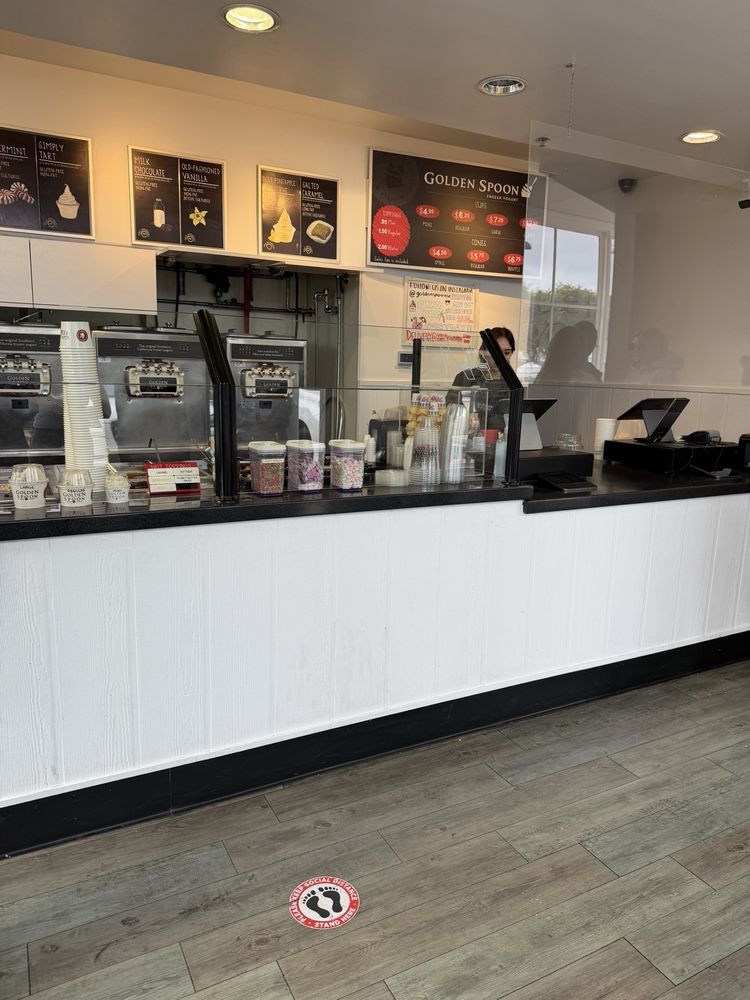
There's plenty to do around San Clemente, including shopping, dining, nightlife, parks, and more. Data provided by Walk Score and Yelp.
Explore popular things to do in the area, including Circle K, Mobil, and GNC.
| Name | Category | Distance | Reviews |
Ratings by
Yelp
|
|---|---|---|---|---|
| Dining · $$ | 0.27 miles | 36 reviews | 1.4/5 stars | |
| Dining | 0.29 miles | 1 review | 1/5 stars | |
| Dining · $ | 0.39 miles | 19 reviews | 3.6/5 stars | |
| Dining | 0.41 miles | 0 reviews | 0/5 stars | |
| Dining · $ | 0.49 miles | 92 reviews | 4/5 stars | |
| Shopping | 0.31 miles | 0 reviews | 0/5 stars | |
| Shopping | 0.65 miles | 1 review | 3/5 stars | |
| Active | 0.32 miles | 1 review | 5/5 stars | |
| Active | 0.39 miles | 4 reviews | 5/5 stars | |
| Active | 0.51 miles | 37 reviews | 3.8/5 stars | |
| Active | 0.66 miles | 2 reviews | 4/5 stars | |
| Active | 0.69 miles | 0 reviews | 0/5 stars | |
| Active | 0.79 miles | 26 reviews | 5/5 stars | |
| Active | 0.8 miles | 1 review | 5/5 stars | |
| Active | 0.84 miles | 4 reviews | 5/5 stars | |
| Active | 0.87 miles | 0 reviews | 0/5 stars | |
| Active | 0.93 miles | 13 reviews | 4.9/5 stars | |
| Active | 0.94 miles | 24 reviews | 3.6/5 stars | |
| Active | 0.94 miles | 4 reviews | 5/5 stars | |
| Active | 0.95 miles | 21 reviews | 3.9/5 stars | |
| Beauty | 0.31 miles | 1 review | 5/5 stars | |
| Beauty | 0.49 miles | 0 reviews | 0/5 stars | |
| Beauty | 0.51 miles | 7 reviews | 3.9/5 stars | |
|
|
||||
|
|
||||
|
|
||||
|
|
||||
|
|
||||
|
|
San Clemente has 24,350 households, with an average household size of 2.58. Data provided by the U.S. Census Bureau. Here’s what the people living in San Clemente do for work — and how long it takes them to get there. Data provided by the U.S. Census Bureau. 63,273 people call San Clemente home. The population density is 3,447 and the largest age group is Data provided by the U.S. Census Bureau.
Total Population
Population Density Population Density This is the number of people per square mile in a neighborhood.
Median Age
Men vs Women
Population by Age Group
0-9 Years
10-17 Years
18-24 Years
25-64 Years
65-74 Years
75+ Years
Education Level
Total Households
Average Household Size
Average individual Income
Households with Children
With Children:
Without Children:
Marital Status
Blue vs White Collar Workers
Blue Collar:
White Collar: