Palm Springs is a desert resort city at the western end of the Coachella Valley, framed by the San Jacinto Mountains and known internationally for midcentury modern architecture, resort living, pools, golf, design, and a strong indoor-outdoor lifestyle. The city also has a long relationship with the Agua Caliente Band of Cahuilla Indians, whose reservation lands form part of Palm Springs’ distinctive checkerboard pattern of property ownership.
For home buyers, Palm Springs is best understood neighborhood by neighborhood. Old Las Palmas and Vista Las Palmas are associated with some of the city’s most recognizable luxury and architectural homes. The Movie Colony combines historic residences with proximity to downtown. Deepwell Estates, Twin Palms, Indian Canyons, Racquet Club Estates, and Sunrise Park each reflect different periods of Palm Springs development, while newer communities such as Escena offer another version of desert living.
The city is also unusual because buyers may encounter both fee-simple land and homes built on leased Indian land. That distinction, along with historic designation, vacation-rental rules, HOA structure, and exposure to heat, wind, and desert conditions, can materially affect a purchase.
Palm Springs real estate spans historic estates, architect-designed midcentury homes, contemporary desert residences, golf-course properties, gated communities, condominiums, and resort-style second homes.
The market is highly segmented. A restored architectural home in Vista Las Palmas, an estate in Old Las Palmas, a condominium on leased land, and a newer property in Escena serve different buyers and should not be evaluated as though they belong to one competitive set.
Palm Springs also attracts a mix of full-time residents, second-home owners, design-focused buyers, retirees, and purchasers considering income-producing use. That variety makes property-specific due diligence especially important.
Architecture, neighborhood, land ownership, lot position, mountain views, renovation quality, and outdoor living are among the strongest value drivers.
Properties with documented architectural provenance can command premiums, particularly when original design elements have been preserved or sensitively restored. West-facing neighborhoods near the San Jacinto Mountains may offer dramatic mountain backdrops, while other locations provide broader valley or golf-course views.
Pools, shade, landscaping, covered outdoor spaces, and the relationship between interior rooms and the yard are particularly important in the desert. A well-designed outdoor environment can function as a major extension of the home.
Fee-simple versus leased land can also influence buyer demand, financing, resale, and long-term ownership considerations.
Palm Springs contains thousands of homes, but specialized inventory can still be limited.
A well-preserved William Krisel-designed residence, an estate-scale Old Las Palmas property, a premium Indian Canyons home, or a turnkey contemporary residence with unobstructed mountain views may have few true substitutes.
Comparable sales should therefore be selected according to neighborhood, architecture, land status, lot, condition, view, historic designation, and ownership structure rather than relying only on citywide price per square foot.
Architecture is one of the defining elements of Palm Springs real estate.
The city contains one of the world’s best-known concentrations of midcentury modern design, shaped by architects including Richard Neutra, Albert Frey, E. Stewart Williams, William Krisel, Donald Wexler, and others who adapted Modernism to the desert climate.
Low rooflines, clerestory windows, deep overhangs, walls of glass, post-and-beam construction, breeze blocks, courtyards, pools, and strong indoor-outdoor connections remain central to the city’s visual identity.
Desert Modernism developed as an architectural response to climate and leisure.
Homes often use broad glass openings to connect interiors with pools, patios, mountain views, and landscaped courtyards. Flat or butterfly roofs, simple structural lines, exposed materials, and shaded outdoor areas are common.
Neighborhoods such as Twin Palms, Racquet Club Estates, Vista Las Palmas, Sunrise Park, and Deepwell include important examples of midcentury residential development.
For buyers, authenticity matters. Original architectural details can be valuable, but so can thoughtful modernization. Poorly executed additions or renovations may weaken the design integrity that made a property distinctive in the first place.
Palm Springs also includes substantial estate properties, particularly in Old Las Palmas, Little Tuscany, The Mesa, Historic Tennis Club, and select south Palm Springs neighborhoods.
These homes may offer larger parcels, privacy, guest houses, expansive pools, mountain views, mature landscaping, and significant architectural pedigree.
Contemporary construction has introduced another layer to the market, with homes emphasizing large glass openings, energy efficiency, modern materials, shaded outdoor rooms, and desert landscaping.
Palm Springs has more than 50 officially recognized neighborhood organizations, reflecting how strongly local identity is tied to individual residential areas.
For buyers, narrowing the search to several neighborhoods is usually more useful than beginning with every property carrying a Palm Springs address.
Old Las Palmas sits immediately west of the Uptown Design District and contains some of Palm Springs’ most prominent historic estates. Large lots, mature landscaping, architectural variety, and proximity to the mountains distinguish the neighborhood.
Vista Las Palmas lies just north and is closely associated with midcentury modern homes, including celebrated tract designs and custom residences. Its streets combine mountain views with convenient access to Uptown and downtown.
The Movie Colony, east of downtown, developed around the city’s long association with Hollywood and resort culture. Historic estates, mature streets, Ruth Hardy Park, and proximity to restaurants and cultural destinations make it another distinctive luxury market.
Deepwell Estates in south Palm Springs is known for large lots, mature landscaping, and a mix of midcentury and later custom homes. Its location provides relatively direct access to East Palm Canyon Drive and downtown while maintaining a residential setting.
Twin Palms is closely tied to William Krisel and Alexander Construction Company homes, making it particularly relevant to buyers interested in midcentury architecture.
Indian Canyons occupies the southern portion of the city near golf and the mountain foothills. Wide streets, larger lots, distinctive architecture, and dramatic mountain views contribute to its appeal.
Racquet Club Estates is one of Palm Springs’ best-known midcentury neighborhoods, with tract homes associated with prominent builders and architects of the era.
Sunrise Park and nearby Sunmor also contain notable modernist housing, while Little Beverly Hills, Tahquitz River Estates, and other neighborhoods offer additional combinations of architecture, views, lot size, and central location.
Buyers interested in a specific architectural period should evaluate the individual home’s design history rather than relying only on the neighborhood name.
One of the most important ownership considerations in Palm Springs is land status.
The city contains a checkerboard pattern of land associated with the Agua Caliente Indian Reservation. Within Palm Springs, reservation land can include Tribal Trust land, land allotted to individual Tribal members, and fee land. Some residential properties are located on long-term leased land rather than land owned outright by the homeowner.
This does not make a leased-land property inherently better or worse, but it changes the ownership structure.
A buyer considering leased land should review the remaining lease term, current ground rent, scheduled increases, transfer provisions, financing requirements, and any master lease or homeowner association documents tied to the property.
Lenders may consider the remaining lease term when determining financing eligibility, and future resale can be affected as a lease moves closer to expiration.
Fee-simple ownership means the buyer owns both the residence and the underlying land. Because Palm Springs contains both structures, land status should be confirmed early rather than assumed from the neighborhood.
Palm Springs actively protects significant architecture and historic resources.
The city maintains designated historic sites and districts, along with a broader inventory of properties that may qualify for historic consideration. Some older buildings can also trigger additional historic review even if they have not already been formally designated.
For buyers drawn to Palm Springs architecture, preservation can help protect the character that gives neighborhoods their value.
Before planning a major exterior alteration, buyers should determine whether the home is individually designated, contributes to a historic district, or is otherwise subject to historic-resource review.
Exterior modifications, additions, demolition, window changes, and other visible work may require additional review.
Palm Springs also participates in the Mills Act program, which can provide property-tax incentives for qualifying historic properties in exchange for commitments to preservation and maintenance.
Palm Springs has a substantial second-home and visitor market, but buyers should not assume that every property can automatically operate as a short-term vacation rental.
The City regulates vacation rentals and homesharing through a registration and permitting program. Current rules include neighborhood-based certificate caps and operational requirements, and HOA restrictions may create additional limits beyond City regulations.
A buyer considering rental income should verify current eligibility for the specific address before purchasing.
Existing certificates, neighborhood capacity, transfer rules, property type, HOA restrictions, occupancy standards, and other City requirements can all affect whether and how a residence may be used as a vacation rental.
Because regulations change, investment assumptions should be based on current City requirements rather than an older listing or a previous owner’s rental history.
Palm Canyon Drive and Indian Canyon Drive form the commercial spine of Palm Springs.
Downtown combines restaurants, shops, hotels, galleries, cultural institutions, and the Downtown Park, while Uptown is known for design showrooms, vintage furniture, boutiques, galleries, and restaurants.
For nearby neighborhoods such as Old Las Palmas, Vista Las Palmas, Historic Tennis Club, and The Movie Colony, access to these districts can be a meaningful part of daily life.
Outdoor living in Palm Springs extends beyond private pools and patios.
The city maintains public parks and recreation facilities, while Tahquitz Creek Golf Resort provides two public 18-hole courses. Golf-oriented neighborhoods also include Indian Canyons and other communities where fairway views and club proximity can influence value.
The San Jacinto Mountains create a dramatic western boundary, and nearby tribal canyons and desert trails provide additional hiking and recreation.
Buyers should also consider the practical realities of desert ownership, including pool maintenance, irrigation, sun exposure, roof and HVAC performance, wind, dust, and landscaping suited to extreme heat.
Palm Springs is served primarily by Palm Springs Unified School District.
The district includes elementary, middle, and high schools across Palm Springs and surrounding Coachella Valley communities. Palm Springs High School is one of the principal campuses serving the city.
School assignments should be verified for the individual property.
Palm Springs Unified provides an address-based boundary tool to identify assigned elementary, middle, and high schools. Buyers for whom a particular campus matters should confirm current boundaries before purchasing rather than relying on neighborhood assumptions.
Palm Springs sits at the western end of the Coachella Valley, with the San Jacinto Mountains immediately to the west and Rancho Mirage, Cathedral City, Palm Desert, and other desert communities extending east.
Interstate 10 provides regional access toward Los Angeles, the Inland Empire, and the eastern Coachella Valley, while Highway 111 and major local roads connect the desert cities.
Palm Springs International Airport is located within the city, making air access one of Palm Springs’ strongest practical advantages for second-home owners and frequent travelers.
Neighborhood location can affect both airport convenience and aircraft noise, so buyers sensitive to flight activity should experience the property at different times of day.
Buying in Palm Springs begins with identifying the ownership experience the buyer wants.
An Old Las Palmas estate, a Vista Las Palmas architectural home, an Indian Canyons residence, a leased-land condominium, and a newer gated property should not be evaluated through the same lens.
Start with factors that cannot easily be changed: neighborhood, architecture, land status, lot, mountain orientation, historic designation, HOA structure, and permitted property use. Then evaluate condition, systems, renovations, and outdoor amenities.
An experienced Palm Springs real estate agent should understand how architecture, historic status, fee-simple versus leased land, vacation-rental rules, neighborhood identity, HOA structure, and mountain orientation affect value.
That expertise should extend beyond recognizing a midcentury home. Buyers need context around restoration quality, original design, land leases, pool and mechanical systems, desert maintenance, and neighborhood-level comparables.
Tim Smith Real Estate Group works across Southern California’s luxury and lifestyle markets, providing buyers and sellers with the broader context needed to evaluate Palm Springs properties within the correct architectural, neighborhood, and ownership segment.
Palm Springs offers historic estates, midcentury modern homes, contemporary desert residences, golf-course properties, gated homes, condominiums, townhomes, and resort-style second homes. Architecture and ownership structure vary substantially by neighborhood.
Old Las Palmas, Vista Las Palmas, The Movie Colony, Deepwell Estates, Twin Palms, Indian Canyons, Racquet Club Estates, Sunrise Park, Little Tuscany, and Historic Tennis Club are among the city’s best-known residential areas.
With fee-simple ownership, the homeowner owns both the residence and underlying land. Some Palm Springs properties are built on long-term leased land associated with Agua Caliente reservation holdings, meaning the homeowner owns the improvements but pays for the right to use the land under a lease.
No. Palm Springs regulates vacation rentals through a City registration and permitting system, and neighborhood certificate caps and HOA restrictions may apply. Buyers considering short-term rental use should verify current eligibility for the specific property before purchasing.
Start with neighborhood, architectural significance, land ownership, lot position, mountain views, property condition, pool and outdoor space, historic status, HOA obligations, and intended use.
For leased-land properties, review the lease carefully. For historic homes, investigate preservation requirements. For second homes or investment properties, verify current vacation-rental rules and insurance considerations.
In Palm Springs, architecture, land, and lifestyle are inseparable parts of the real estate decision.
44,998 people live in Palm Springs, where the median age is 57.8 and the average individual income is $64,811. Data provided by the U.S. Census Bureau.
Total Population
Median Age
Population Density Population Density This is the number of people per square mile in a neighborhood.
Average individual Income
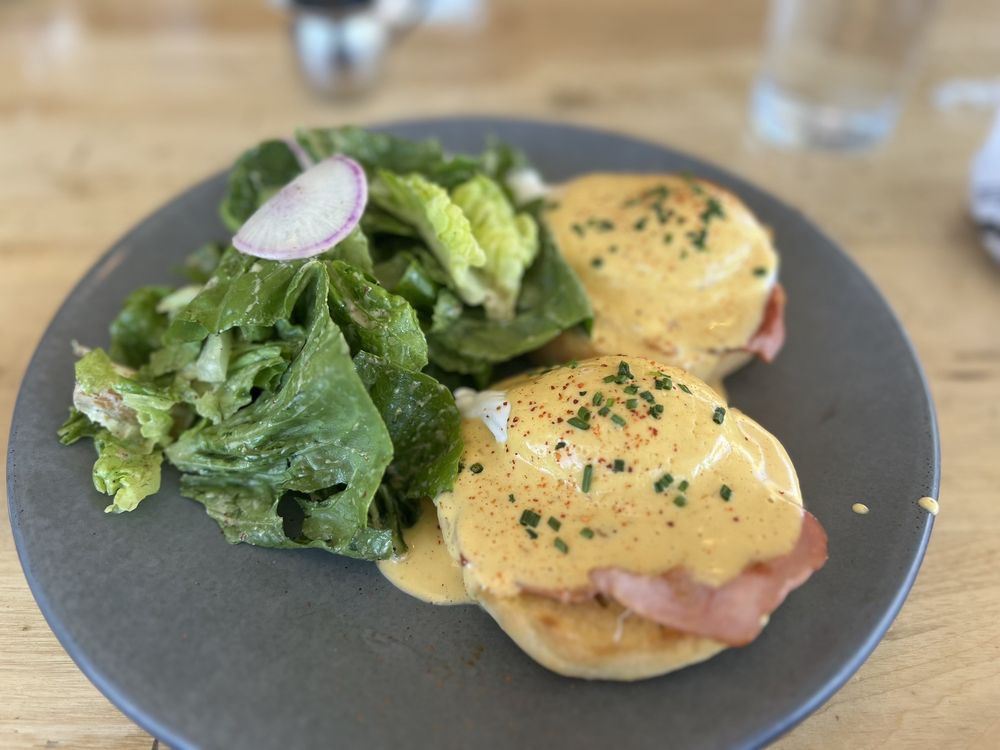
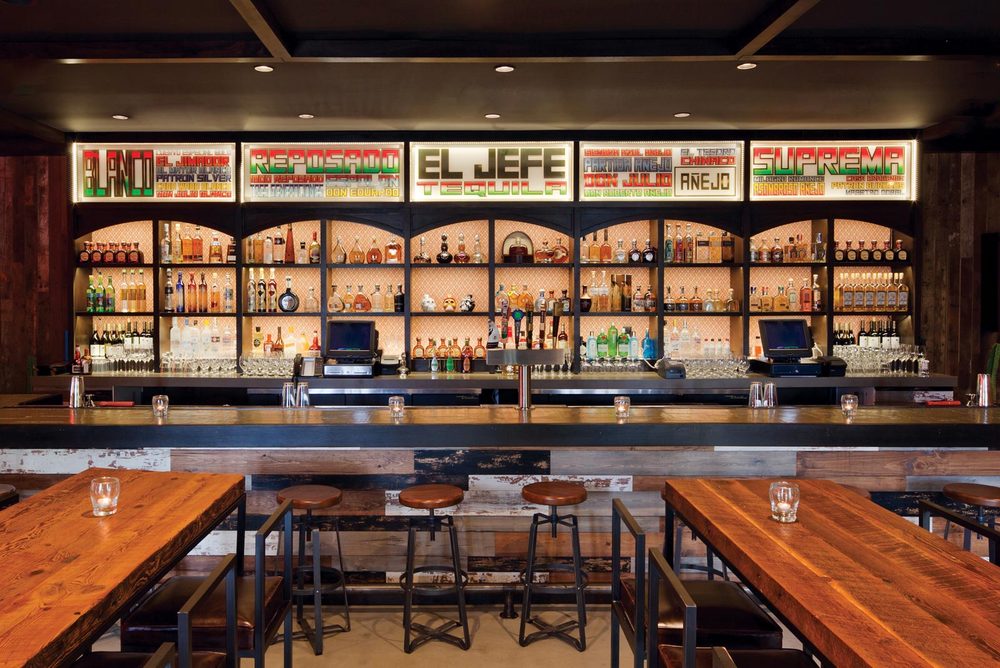
There's plenty to do around Palm Springs, including shopping, dining, nightlife, parks, and more. Data provided by Walk Score and Yelp.
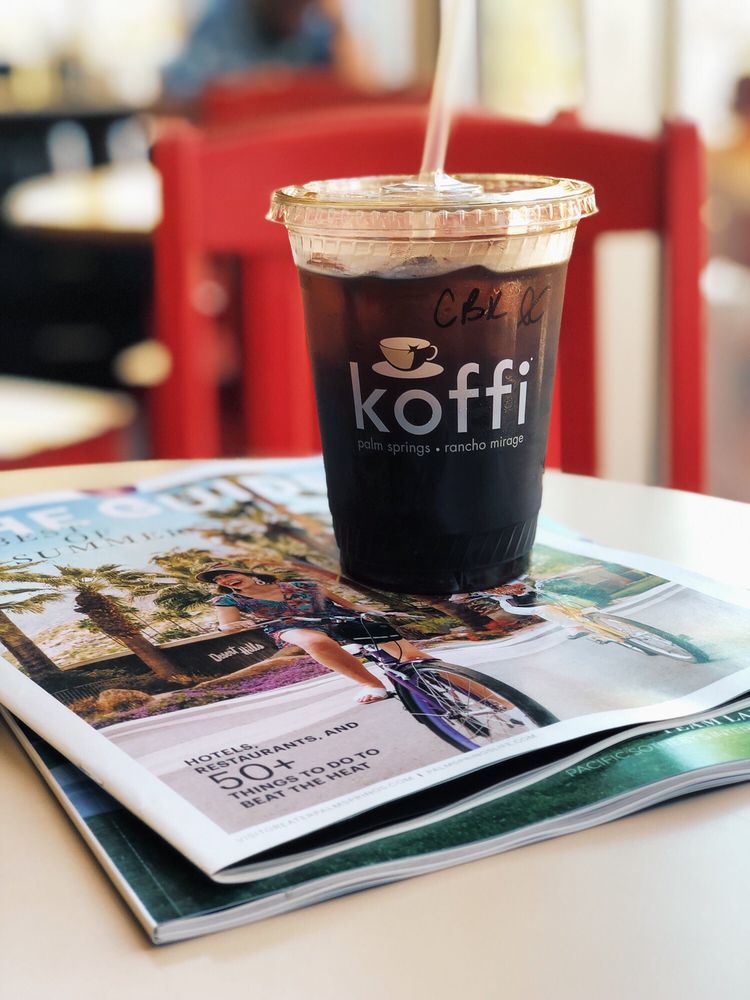
Explore popular things to do in the area, including Koffi - South Palm Springs, King's Highway, and Elmer’s Restaurant.
| Name | Category | Distance | Reviews |
Ratings by
Yelp
|
|---|---|---|---|---|
| Dining · $$ | 0.06 miles | 554 reviews | 4.1/5 stars | |
| Dining · $$ | 0.09 miles | 804 reviews | 3.4/5 stars | |
| Dining · $$ | 0.1 miles | 4678 reviews | 4.4/5 stars | |
| Dining | 0.31 miles | 0 reviews | 0/5 stars | |
| Dining · $$ | 0.41 miles | 9 reviews | 3.3/5 stars | |
| Dining · $$$ | 0.49 miles | 820 reviews | 4.5/5 stars | |
| Dining · $$ | 0.57 miles | 4 reviews | 3.8/5 stars | |
| Dining · $$ | 0.61 miles | 549 reviews | 3.6/5 stars | |
| Active | 0.29 miles | 0 reviews | 0/5 stars | |
| Active | 0.41 miles | 4 reviews | 4.8/5 stars | |
| Active | 0.43 miles | 149 reviews | 4.9/5 stars | |
| Active | 0.43 miles | 28 reviews | 4.6/5 stars | |
| Active | 0.44 miles | 0 reviews | 0/5 stars | |
| Active | 0.44 miles | 0 reviews | 0/5 stars | |
| Active | 0.45 miles | 1 review | 5/5 stars | |
| Nightlife | 0.11 miles | 111 reviews | 3.3/5 stars | |
| Beauty | 0.03 miles | 2 reviews | 3.5/5 stars | |
| Beauty | 0.34 miles | 0 reviews | 0/5 stars | |
| Beauty | 0.43 miles | 140 reviews | 4.4/5 stars | |
| Beauty | 0.44 miles | 42 reviews | 4.8/5 stars | |
| Beauty | 0.44 miles | 0 reviews | 0/5 stars | |
| Beauty | 0.45 miles | 3 reviews | 5/5 stars | |
| Beauty | 0.52 miles | 0 reviews | 0/5 stars | |
| Beauty | 0.62 miles | 0 reviews | 0/5 stars | |
|
|
||||
|
|
||||
|
|
||||
|
|
||||
|
|
||||
|
|
Palm Springs has 24,297 households, with an average household size of 1.82. Data provided by the U.S. Census Bureau. Here’s what the people living in Palm Springs do for work — and how long it takes them to get there. Data provided by the U.S. Census Bureau. 44,998 people call Palm Springs home. The population density is 476 and the largest age group is Data provided by the U.S. Census Bureau.
Total Population
Population Density Population Density This is the number of people per square mile in a neighborhood.
Median Age
Men vs Women
Population by Age Group
0-9 Years
10-17 Years
18-24 Years
25-64 Years
65-74 Years
75+ Years
Education Level
Total Households
Average Household Size
Average individual Income
Households with Children
With Children:
Without Children:
Marital Status
Blue vs White Collar Workers
Blue Collar:
White Collar: